In This Article
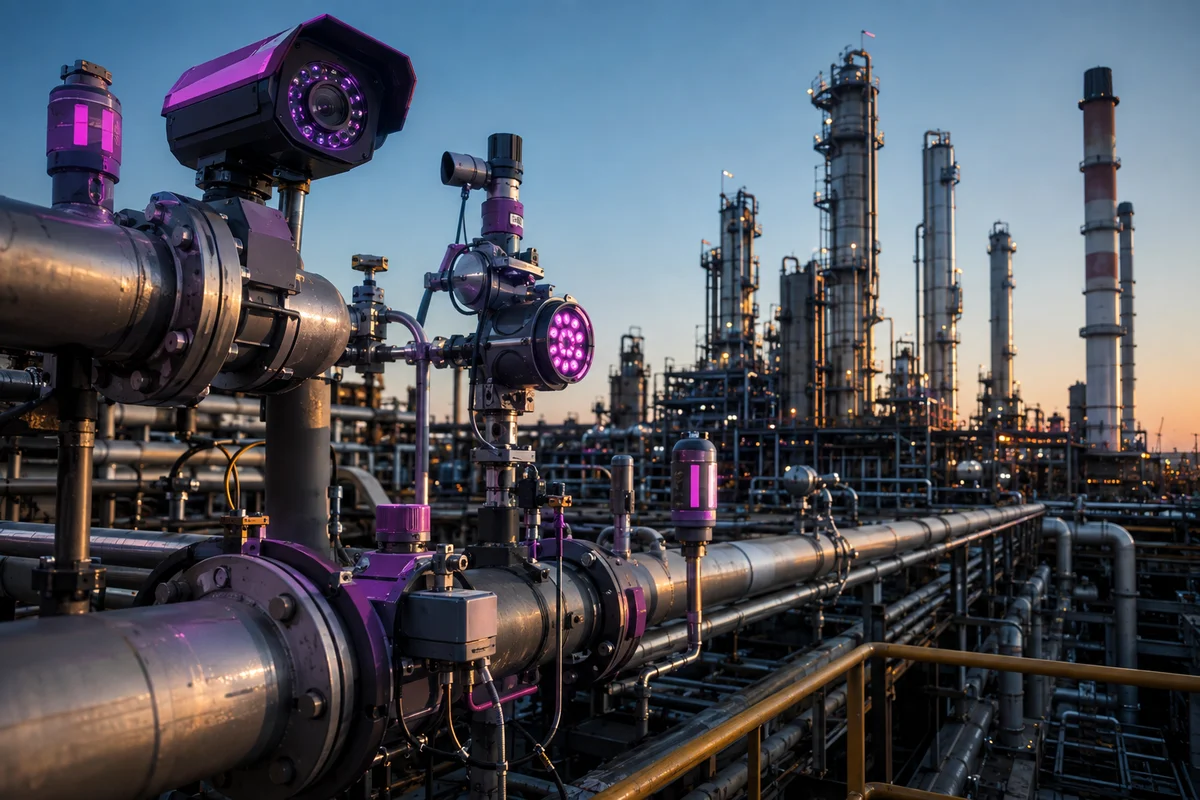
Oil refineries bring together a complex array of rotating equipment, distillation towers, storage tanks and pipelines, where any unwanted downtime can carry heavy financial and safety costs. Industrial IoT (IIoT), by connecting temperature, pressure, vibration and gas sensors into one integrated platform, enables real-time process monitoring and predicting equipment failure before it happens. This article covers the core components of a smart refinery and its practical applications.
Key Takeaways
- Real-time monitoring of vibration and temperature in critical production-line pumps and compressors
- Early gas-leak detection with instant alerts to prevent incidents
- Reduced unwanted production downtime through predictive maintenance
- Smart energy management in energy-intensive process units
- Integrating data from scattered equipment on a single control room
The Challenges of Equipment Monitoring in Traditional Refineries
At many refineries, inspection of rotating equipment such as pumps and compressors is still carried out through periodic operator rounds. This method can't catch a sudden change in bearing vibration or temperature between two consecutive rounds, which raises the risk of sudden failure.
On top of that, energy-intensive process units like furnaces and distillation towers typically operate with no real-time view of their actual efficiency, leading to inefficient energy use and higher operating costs.
Components of a Refinery IIoT Platform
A refinery IIoT platform is built from three core layers: explosion-proof (Ex-rated) industrial sensors installed on rotating equipment and pipelines, a rugged industrial communication network for reliable data transfer in high-risk environments, and a software platform that integrates the data with the refinery's existing DCS system.
- Explosion-proof vibration and temperature sensors for pumps and compressors
- Industrial gateways resistant to corrosive, dusty environments
- Software integration with the refinery's existing DCS/SCADA systems
Predictive Maintenance for Rotating Equipment
By continuously analyzing vibration and bearing-temperature data from pumps and compressors, early signs of mechanical wear are identified before they reach the point of failure. This approach enables scheduling repairs before an emergency production shutdown and dramatically cuts the costs of unwanted downtime.
Key Applications & Benefits
- Real-time monitoring of temperature, pressure and vibration on critical rotating equipment
- Early detection of gas and vapor leaks in process units
- Smart energy management of furnaces and distillation towers based on actual load
- Logging and analyzing performance history to optimize the maintenance schedule
Summary & the Road Ahead
Refinery smartification is a gradual process that can start with monitoring a handful of critical pieces of equipment, such as key pumps or compressors, and expand over time to the entire process units. By designing a comprehensive, home-grown IoT platform for high-risk industrial environments, DanialMoj is ready to deliver a dedicated solution tailored to your refinery's needs.
Frequently Asked Questions
What exactly does 'smart refinery' mean?
Are these sensors suitable for a refinery's high-risk environments?
Does implementing this platform require shutting down the production line?
What does implementation cost for a medium-sized refinery unit?
Want to find out how DanialMoj's IoT platform can be designed for your refinery or process unit?
Request a Free ConsultationRelated Articles
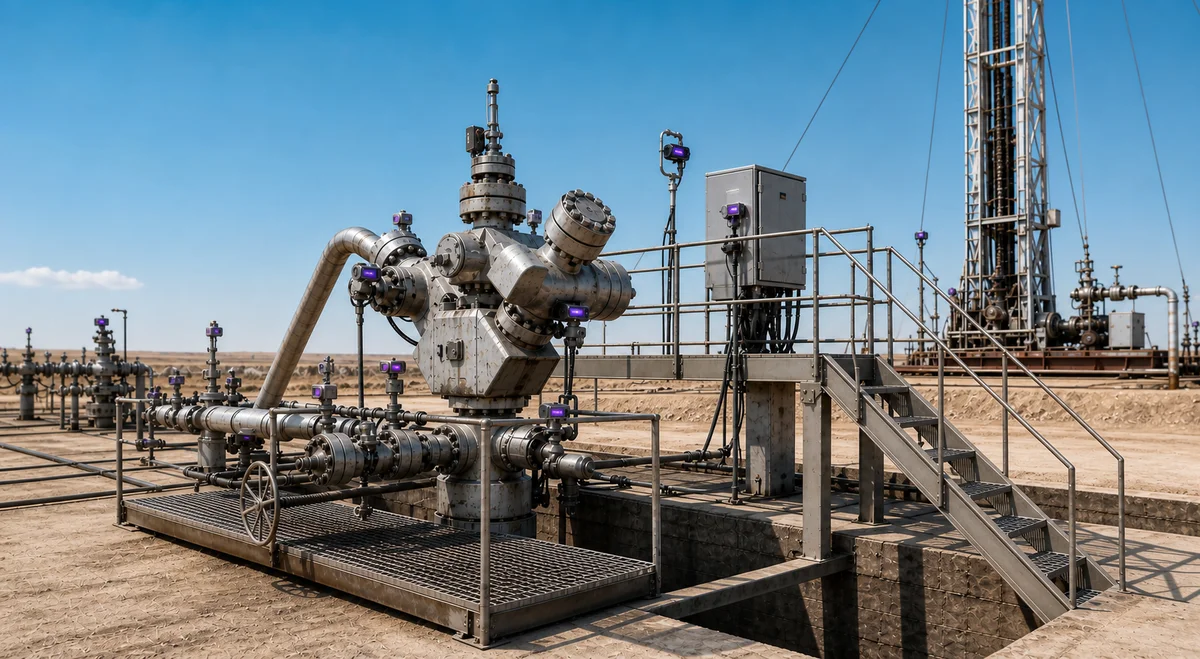
Smart Oil Well
Telecommunications and rugged industrial monitoring solutions built to withstand the harsh conditions of the oil and petrochemical industries.
Read Article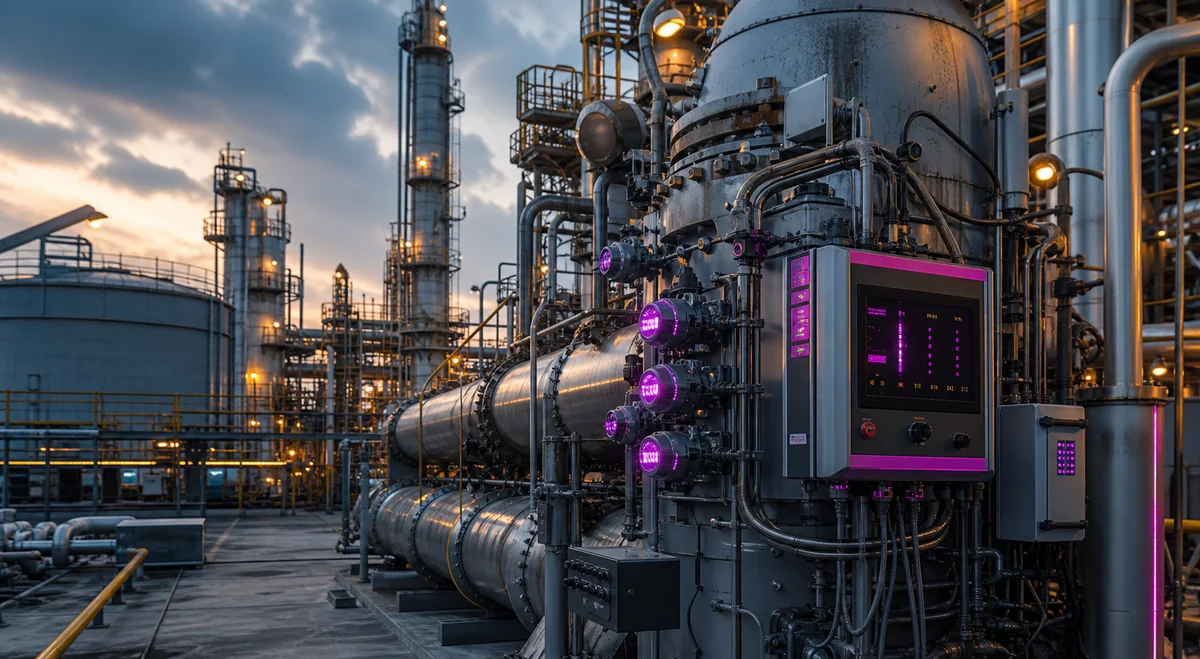
Smartifying the Petrochemical Industry
Implementing advanced telecommunication infrastructure and industrial monitoring systems to boost productivity in harsh environmental conditions.
Read Article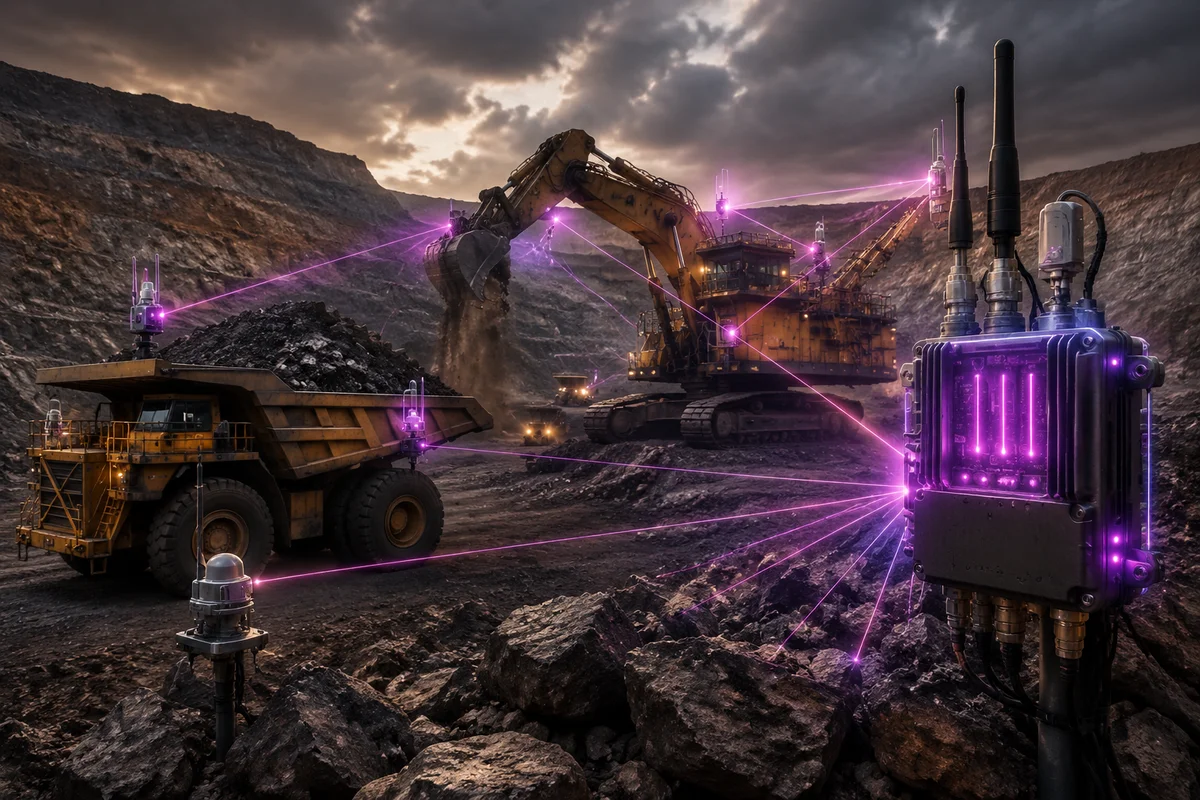
Smart Mining
Rugged industrial telecommunications and equipment monitoring in harsh mining environments to boost safety and productivity.
Read Article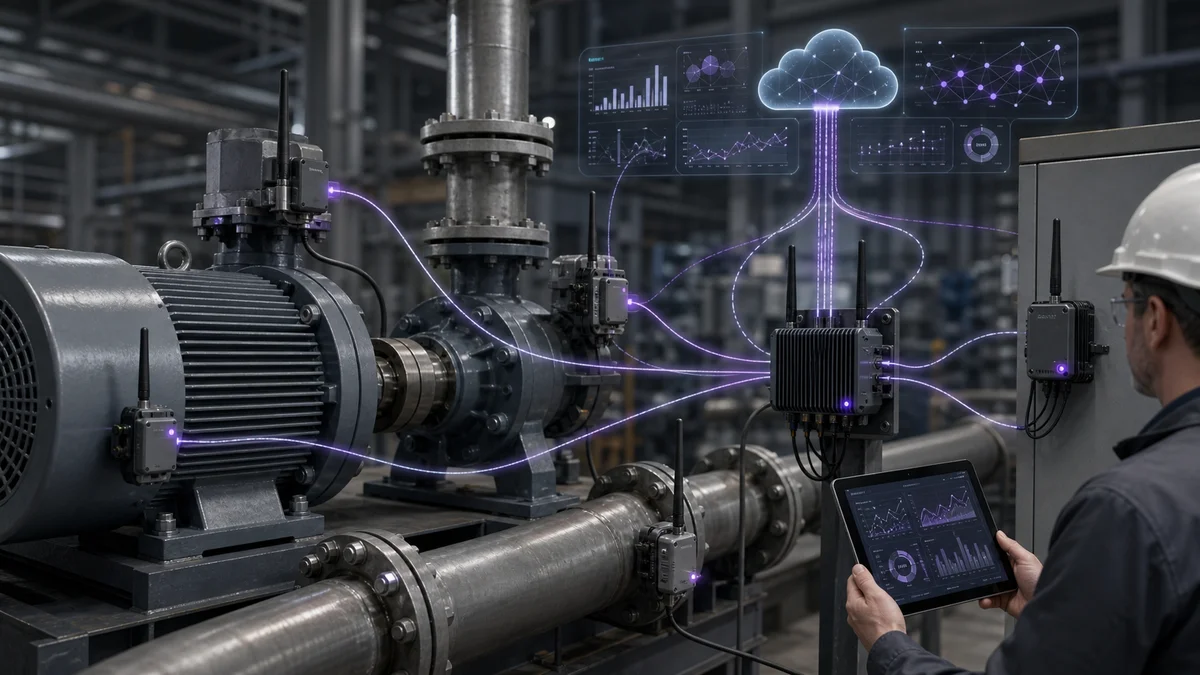
Industrial IoT (IIoT)
IIoT connects equipment, machinery and industrial sensors to a unified platform, enabling real-time monitoring, data analysis and optimized plant performance.
Read Article