In This Article
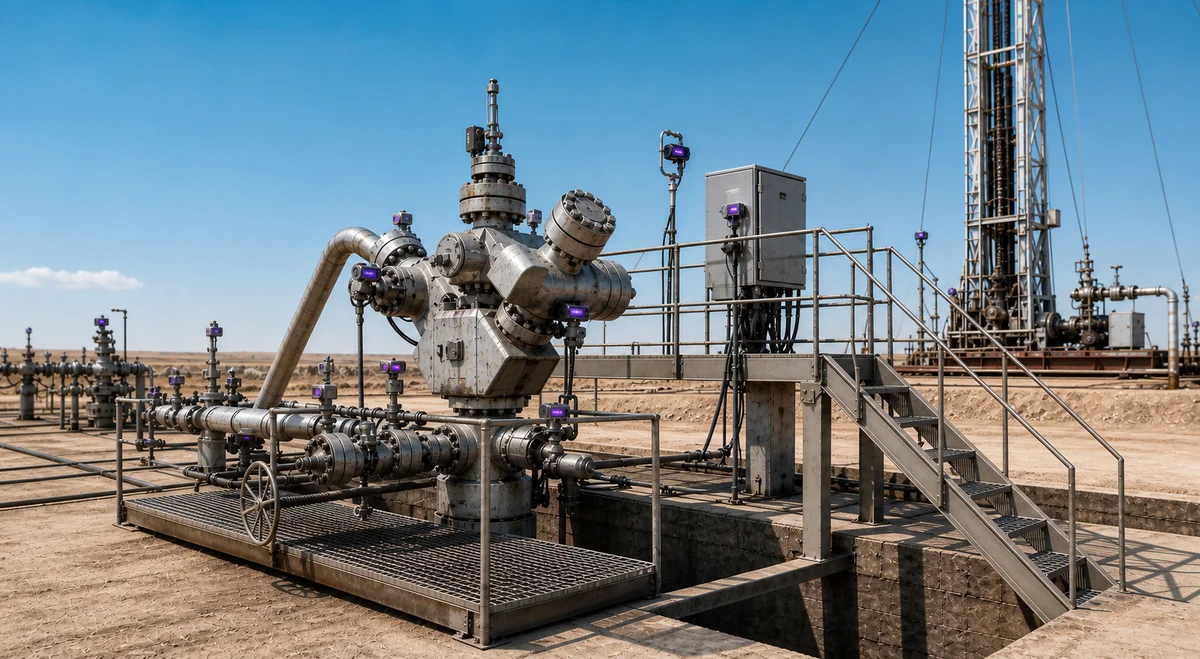
Oil and gas wells are often located in remote, desert or hard-to-access areas, where running traditional telecom infrastructure out to them is costly and time-consuming. Even so, real-time monitoring of wellhead pressure, temperature, flow rate and equipment vibration is critical for preventing production shutdowns and safety incidents. Industrial IoT (IIoT), using wireless sensors and rugged communication networks, makes it possible to monitor these wells without needing constant human presence. This article covers the core components of a smart oil-well platform and its practical applications.
Key Takeaways
- Real-time monitoring of well pressure, temperature and flow rate with no need for a permanent on-site operator
- Early detection of leaks and abnormal pressure swings to prevent incidents
- Reduced travel costs and manual inspection trips to remote wells
- Predicting the need for wellhead pump repairs before a complete failure
- Integrating data from scattered wells into a single central control room
The Challenges of Monitoring Oil Wells in Remote Areas
Many oil fields sit far from cities and outside the coverage of fixed telecom networks. Manually inspecting these wells to log pressure and temperature is both costly and slow — a delay that can be dangerous in an emergency.
On top of that, if pressure swings or a sudden drop in well flow rate aren't caught in time, they can lead to unplanned production shutdowns or even serious safety incidents such as a gas leak. The lack of real-time visibility into wellhead conditions sharply raises operational risk.
Components of an IIoT Platform for the Wellhead
A wellhead IIoT platform is built from three core layers: rugged industrial sensors resistant to dust, humidity and extreme temperatures, installed on wellhead equipment; wireless communication gateways (radio, LoRaWAN or satellite) for transferring data where no telecom infrastructure exists; and a central software platform for displaying data and issuing alerts.
- Pressure, temperature and vibration sensors with an IP67/IP68 protection rating suited to desert environments
- Radio and satellite gateways for covering areas with no cellular signal
- A centralized software platform for monitoring multiple wells simultaneously
Smart Monitoring of Pressure, Temperature & Equipment Vibration
By installing vibration and temperature sensors on wellhead pumps and electric motors, each piece of equipment's operating condition is continuously recorded and analyzed. This continuous monitoring makes it possible to predict pump failure before production comes to a complete halt, preventing costly emergency repairs.
Key Applications & Benefits
- Real-time monitoring of wellhead pressure and production flow rate with no need for an in-person visit
- Early gas-leak detection with automatic alerts to the control room
- Faster response to equipment failure through real-time alerts
- Logging and analyzing well-performance history for better maintenance planning
Summary & the Road Ahead
Smartifying oil wells can start as a pilot on a handful of key wells and expand gradually to the entire field. With experience designing telecom infrastructure and industrial monitoring for harsh oil and gas environments, DanialMoj is ready to deliver a solution tailored to your field's geography and operating conditions.
Frequently Asked Questions
What exactly does 'smart oil well' mean?
How does communication work in areas with no cellular coverage?
Are these sensors resistant to harsh desert weather conditions?
What does implementation cost for an oil field with several wells?
Want to find out how DanialMoj's IoT platform can be designed for your oil field or wells?
Request a Free ConsultationRelated Articles
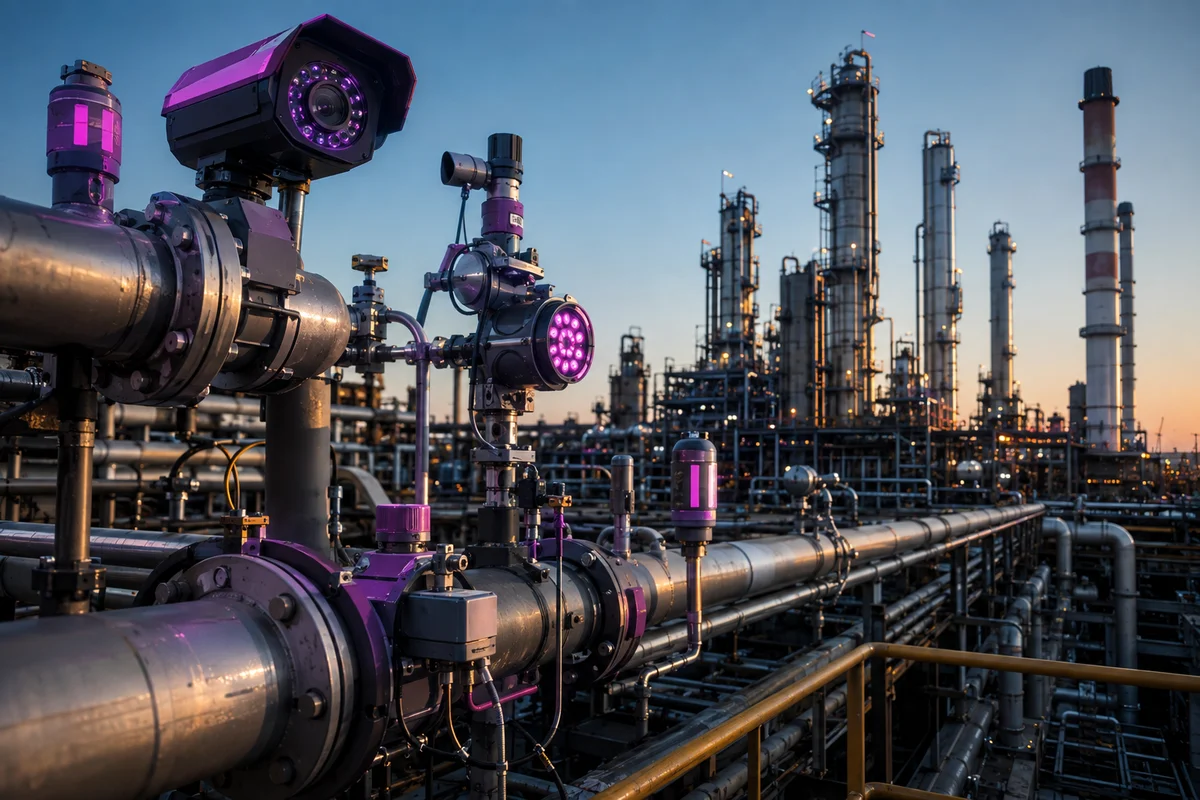
Smart Refinery
Telecommunications and rugged industrial monitoring solutions built to withstand the harsh conditions of the oil and petrochemical industries.
Read Article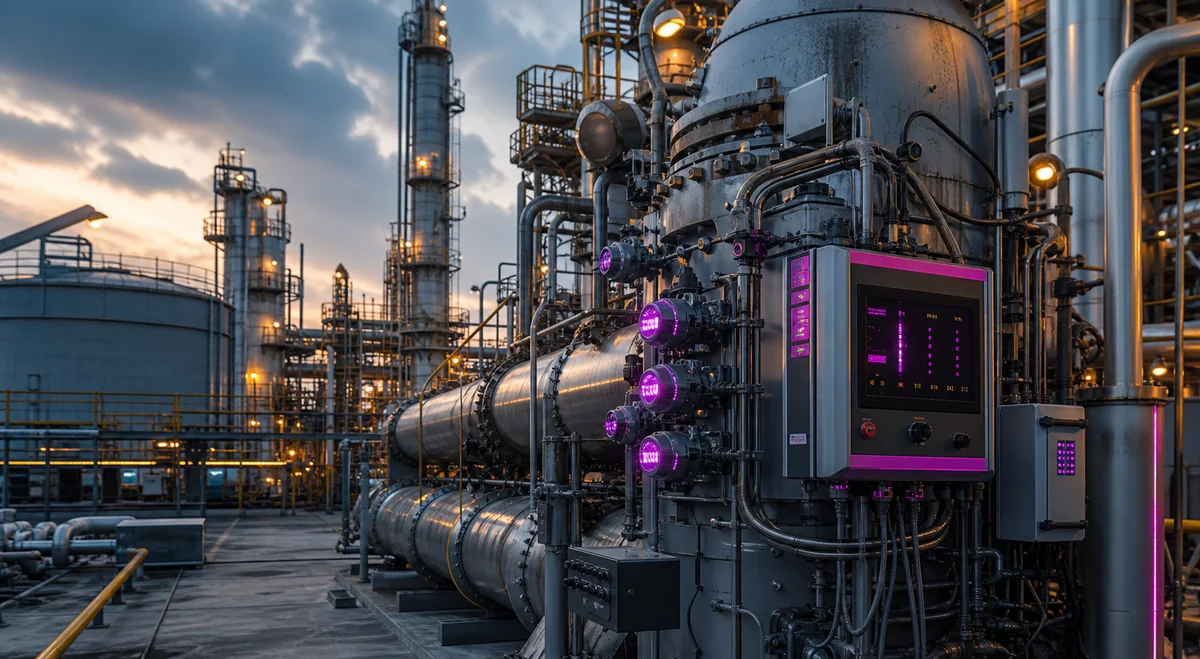
Smart Petrochemical
Safety and productivity in petrochemical units through real-time monitoring of reactors, tanks and pipelines.
Read Article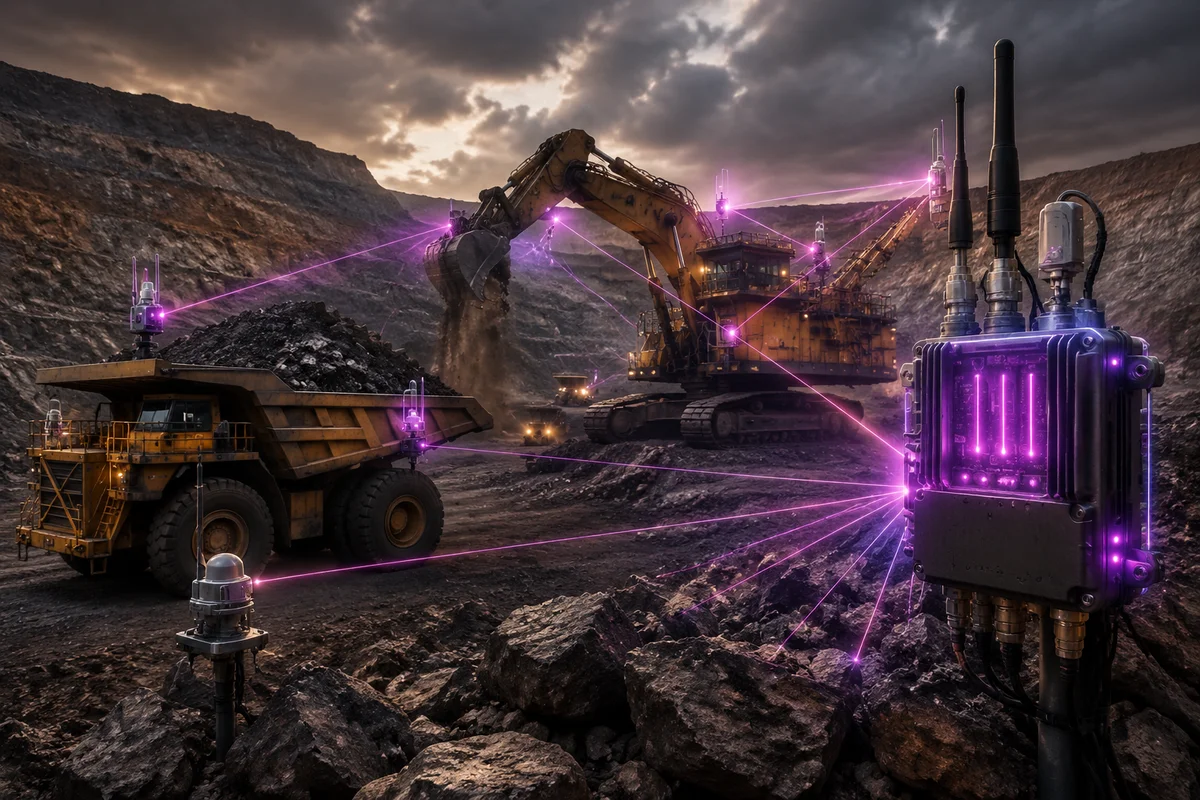
Smart Mining
Equipment monitoring, personnel safety and fleet management in mines with an Industrial IoT platform.
Read Article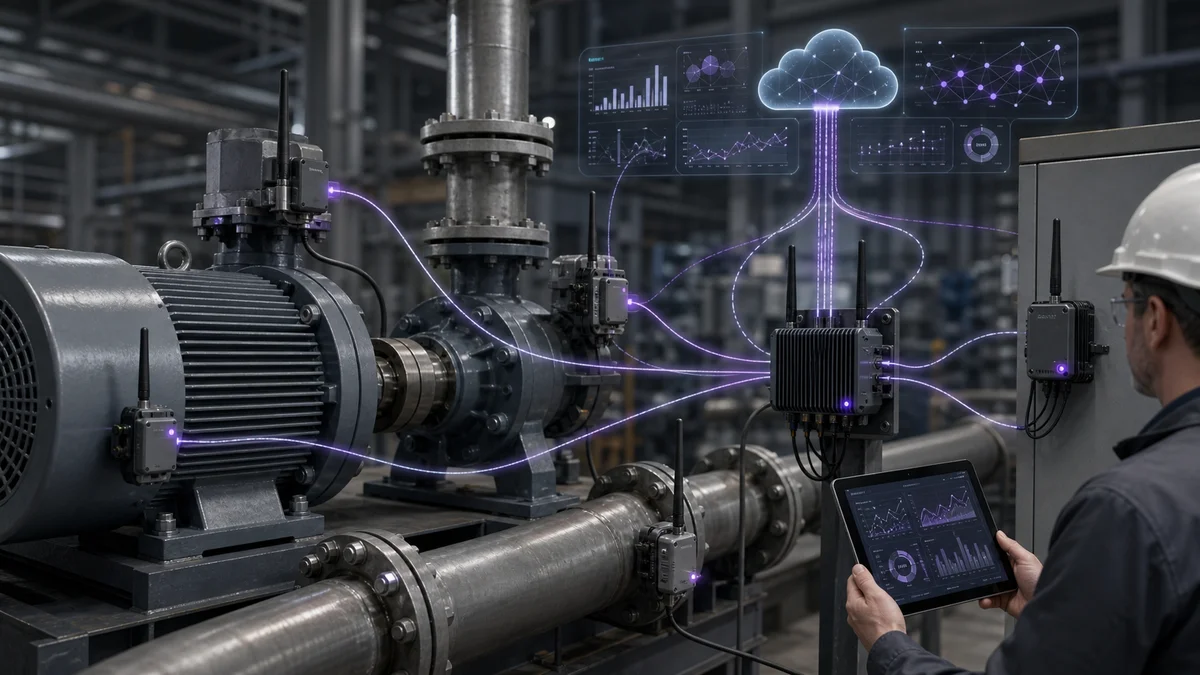
Industrial IoT (IIoT)
IIoT connects equipment, machinery and industrial sensors to a unified platform, enabling real-time monitoring, data analysis and optimized plant performance.
Read Article