In This Article
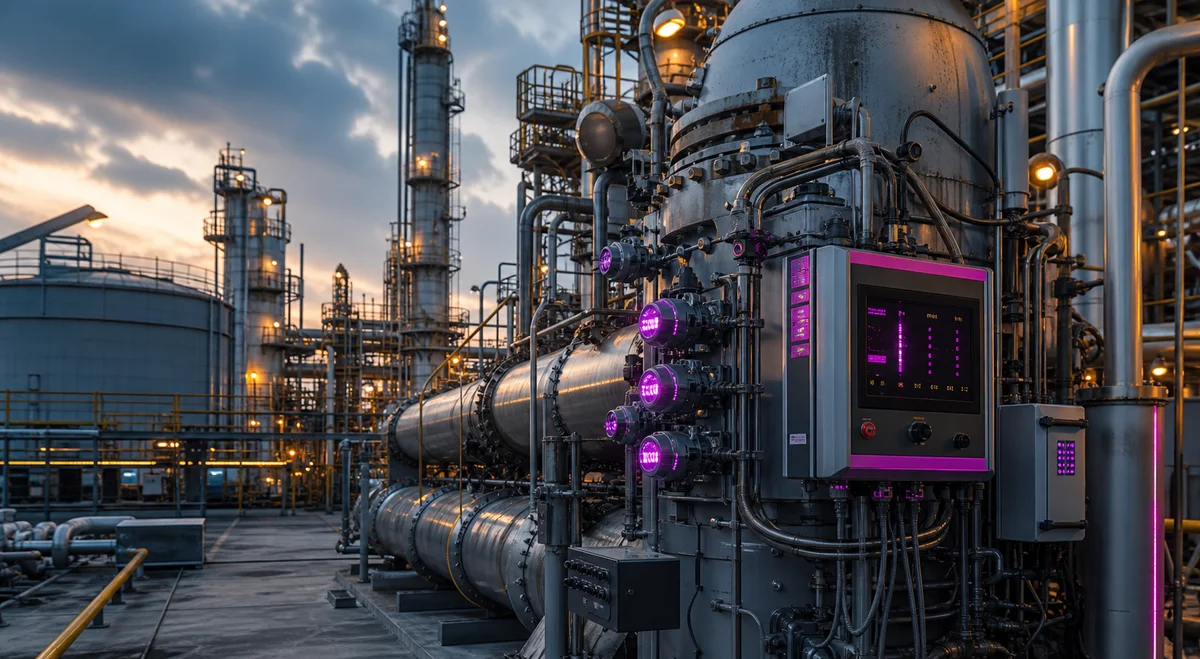
With their sensitive chemical processes, flammable materials and large storage tanks, petrochemical units rank among the most hazardous industrial environments to monitor and control. Any lapse in detecting a leak or a swing in temperature and pressure can lead to irreversible incidents. Industrial IoT (IIoT), by connecting explosion-proof sensors to reactors, tanks and pipelines, enables real-time monitoring, early hazard detection, and improved productivity. This article covers the core components of a smart petrochemical unit and its practical applications.
Key Takeaways
- Early detection of gas and chemical leaks in process units
- Real-time monitoring of level, temperature and pressure in raw-material and product storage tanks
- Improved personnel safety with automatic alerts in high-risk zones
- Reduced unwanted reactor shutdowns through predictive maintenance
- Integrating data from different units on a single management dashboard
Safety & Monitoring Challenges in Petrochemical Units
In petrochemical units, a gas or chemical leak can turn into a serious incident in a fraction of a second, while at many complexes, detecting these leaks still relies on limited point sensors or periodic staff inspections.
On top of that, raw-material and finished-product storage tanks are usually managed without real-time level and temperature monitoring, raising the risk of overflow, product-quality loss, or unwanted chemical reactions.
Components of an IIoT Platform for Petrochemicals
A petrochemical IIoT platform is built from three core layers: explosion-proof (Ex-rated) gas, temperature, pressure and level sensors installed on reactors, tanks and pipelines; a rugged industrial communication network for reliable data transfer in high-risk zones; and a centralized software platform for data analysis and safety-alert management.
- Gas- and leak-detection sensors certified to Ex-Zone safety standards
- Explosion-proof industrial gateways for full coverage of the petrochemical site
- A software platform for centralized management of safety alerts and equipment performance
Smart Monitoring of Storage Tanks & Pipelines
By installing level, temperature and pressure sensors on storage tanks and material-transfer pipelines, the condition of every tank and pipeline is continuously monitored. This continuous monitoring enables an early warning before a tank level reaches a critical point, preventing incidents caused by overflow or a drop in line pressure.
Key Applications & Benefits
- Early detection of gas and chemical leaks with immediate alerts to the control room
- Real-time monitoring of level and temperature in raw-material and product storage tanks
- Predictive maintenance for reactors and critical rotating equipment on the production line
- Improved personnel safety through access control and environmental monitoring of high-risk zones
Summary & the Road Ahead
Smartifying a petrochemical unit can start with monitoring a few critical tanks or pipelines and expand over time to the entire complex. By designing a comprehensive, home-grown IoT platform for Ex-Zone and high-risk industrial environments, DanialMoj is ready to deliver a dedicated solution tailored to your petrochemical unit's needs.
Frequently Asked Questions
What exactly does 'smart petrochemical' mean?
Are these sensors safe for areas with flammable gas (Ex-Zone)?
Does this platform interfere with a petrochemical unit's existing safety systems?
What does implementation cost for a petrochemical unit?
Want to find out how DanialMoj's IoT platform can be designed for your petrochemical unit?
Request a Free ConsultationRelated Articles
Smart Oil Well
Telecommunications and rugged industrial monitoring solutions built to withstand the harsh conditions of the oil and petrochemical industries.
Read Article
Smart Refinery
Telecommunications and rugged industrial monitoring solutions built to withstand the harsh conditions of the oil and petrochemical industries.
Read Article
Smart Mining
Rugged industrial telecommunications and equipment monitoring in harsh mining environments to boost safety and productivity.
Read Article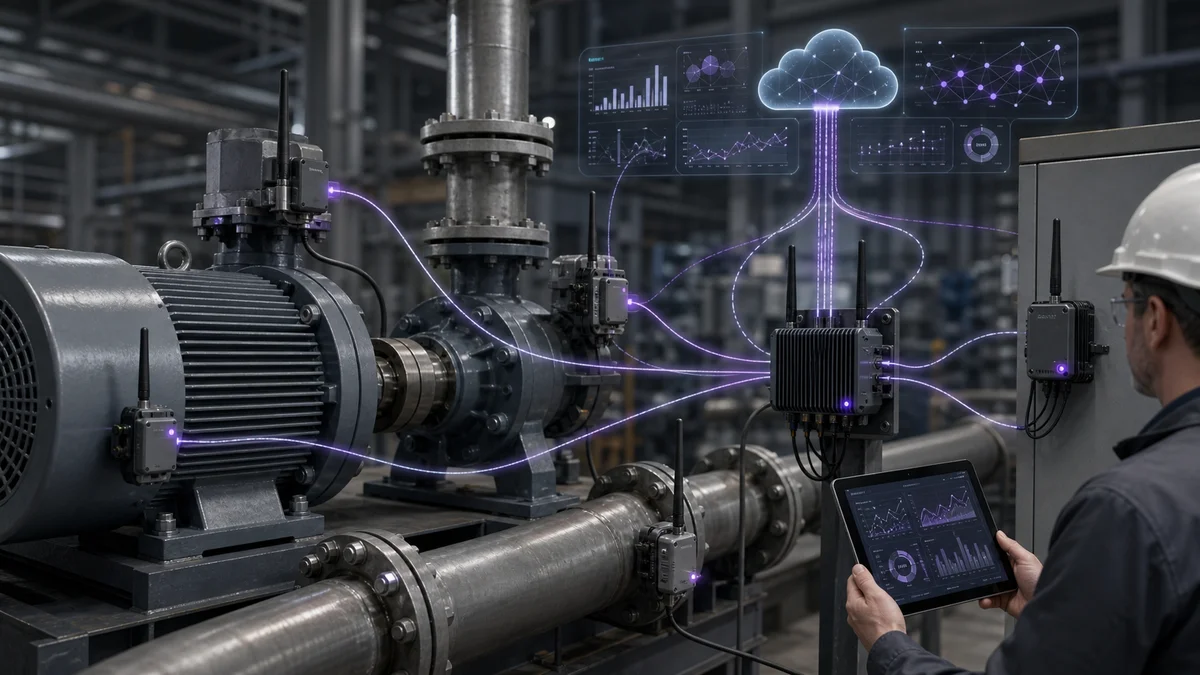
Industrial IoT (IIoT)
IIoT connects equipment, machinery and industrial sensors to a unified platform, enabling real-time monitoring, data analysis and optimized plant performance.
Read Article