In This Article
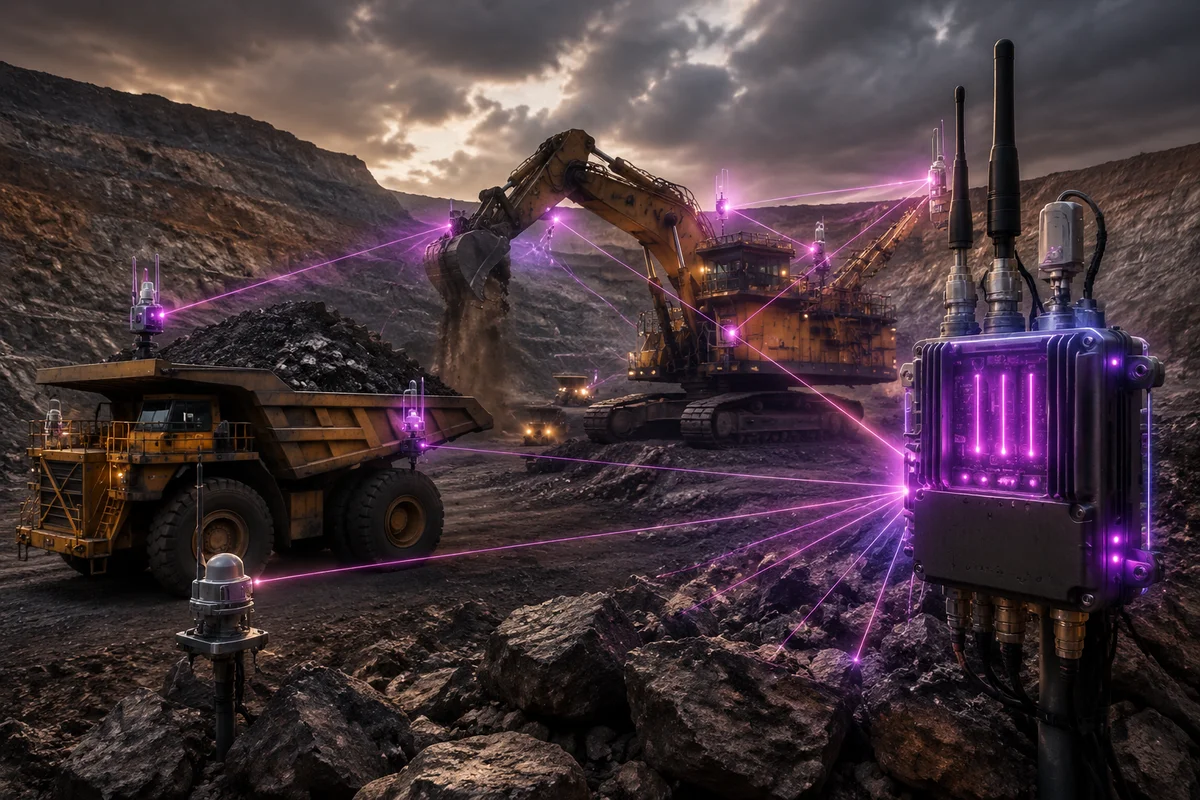
Open-pit and underground mines rank among the most hazardous industrial work environments — where dust, dangerous gases, tunnel darkness and constant heavy-machinery movement sharply raise the risk of incidents. Industrial IoT (IIoT), through real-time personnel tracking, technical monitoring of machinery, and early detection of hazardous gases, enables safer and more productive mining operations. This article covers the core components of a smart mining platform and its practical applications.
Key Takeaways
- Real-time tracking of personnel location in mine tunnels and open-pit areas
- Early detection of hazardous gases with instant emergency-evacuation alerts
- Monitoring the technical condition and vibration of heavy machinery for predictive maintenance
- Smart management of the truck fleet and mining transport equipment
- Integrating safety, equipment and environmental data on a single management dashboard
Safety & Monitoring Challenges in Traditional Mines
In many mines, personnel location — especially in underground tunnels — is still tracked through manual entry/exit logs, which makes rapid locating of workers impossible in an emergency such as a collapse or gas leak.
On top of that, heavy mining machinery such as waste-haulage trucks and drilling rigs typically operates without real-time wear monitoring, which leads to sudden shutdowns and rising emergency-repair costs.
Components of an IIoT Platform for Mining
A mining IIoT platform is built from three core layers: gas-detection sensors, personnel- and equipment-tracking tags, and vibration/temperature sensors on machinery; a rugged, dedicated communication network such as leaky-feeder radio or industrial Wi-Fi to cover tunnels and open-pit areas; and a central software platform for displaying a live mine map and issuing alerts.
- Gas-detection sensors (methane, carbon monoxide) with audible and visual alerts
- RFID/UWB tags for precisely tracking the location of personnel and machinery
- A rugged leaky-feeder or industrial Wi-Fi communication network for covering underground tunnels
Personnel Tracking & Smart Machinery Monitoring
By equipping personnel with tracking tags and installing vibration and temperature sensors on machinery engines and power-transmission systems, the status of both people and equipment is continuously displayed on a live mine map. This continuous monitoring enables rapid location of personnel in an emergency and predicting machinery failure before a complete shutdown.
Key Applications & Benefits
- Real-time personnel tracking with automatic evacuation alerts in emergencies
- Early detection of hazardous gases and smart ventilation of tunnels
- Smart truck-fleet management to optimize routes and reduce fuel consumption
- Logging and analyzing machinery performance history for better maintenance planning
Summary & the Road Ahead
Mine smartification can start with monitoring a single high-risk section or a key fleet of machinery and expand over time to the entire site. By designing a comprehensive, home-grown IoT platform for harsh, high-risk mining environments, DanialMoj is ready to deliver a dedicated solution tailored to your mine's needs.
Frequently Asked Questions
What exactly does 'smart mine' mean?
How does communication work in tunnels and underground mines where GPS and mobile signal don't reach?
Is the equipment used in a smart mine resistant to dust and moisture?
What does it cost to implement a smartification platform for a medium-sized mine?
Want to find out how DanialMoj's IoT platform can be designed for your open-pit or underground mine?
Request a Free ConsultationRelated Articles
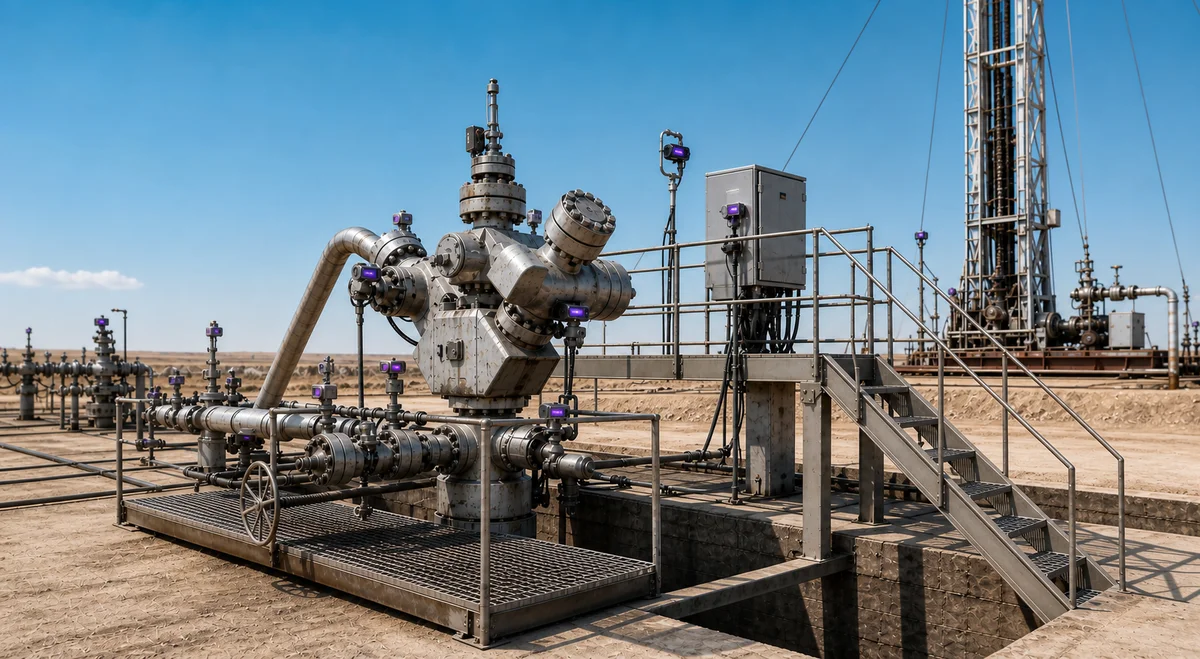
Smart Oil Well
Telecommunications and rugged industrial monitoring solutions built to withstand the harsh conditions of the oil and petrochemical industries.
Read Article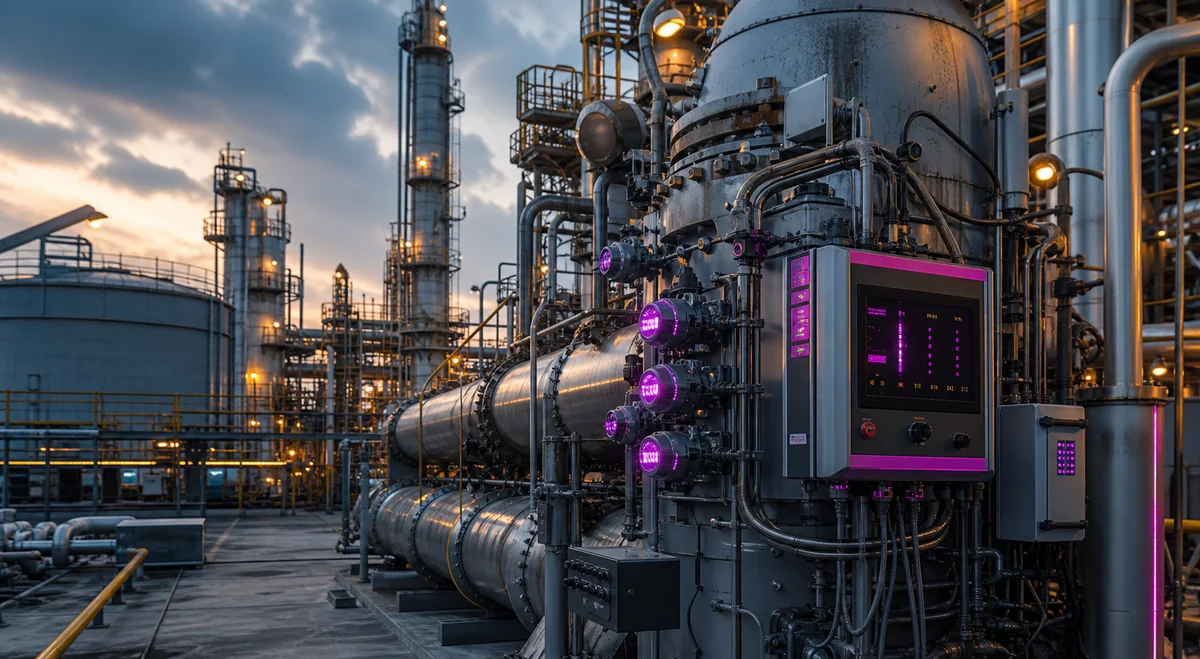
Smartifying the Petrochemical Industry
Implementing advanced telecommunication infrastructure and industrial monitoring systems to boost productivity in harsh environmental conditions.
Read Article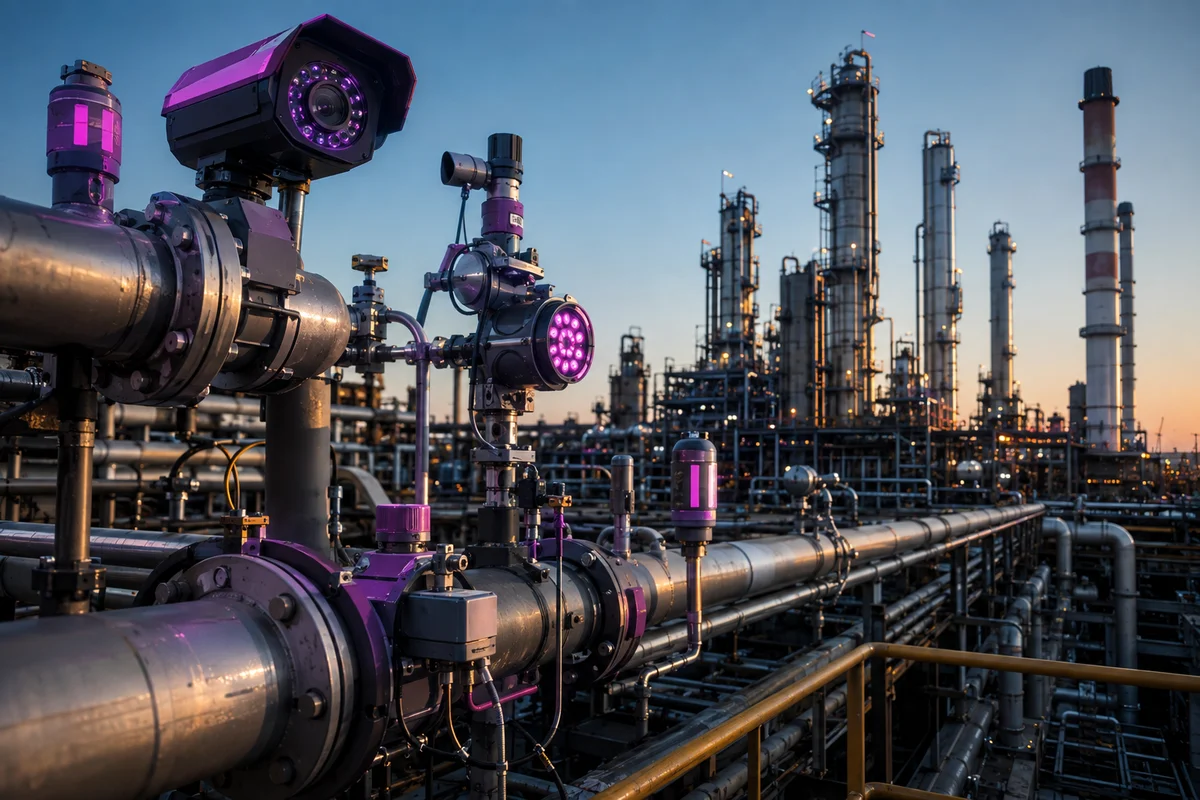
Smart Refinery
Telecommunications and rugged industrial monitoring solutions built to withstand the harsh conditions of the oil and petrochemical industries.
Read Article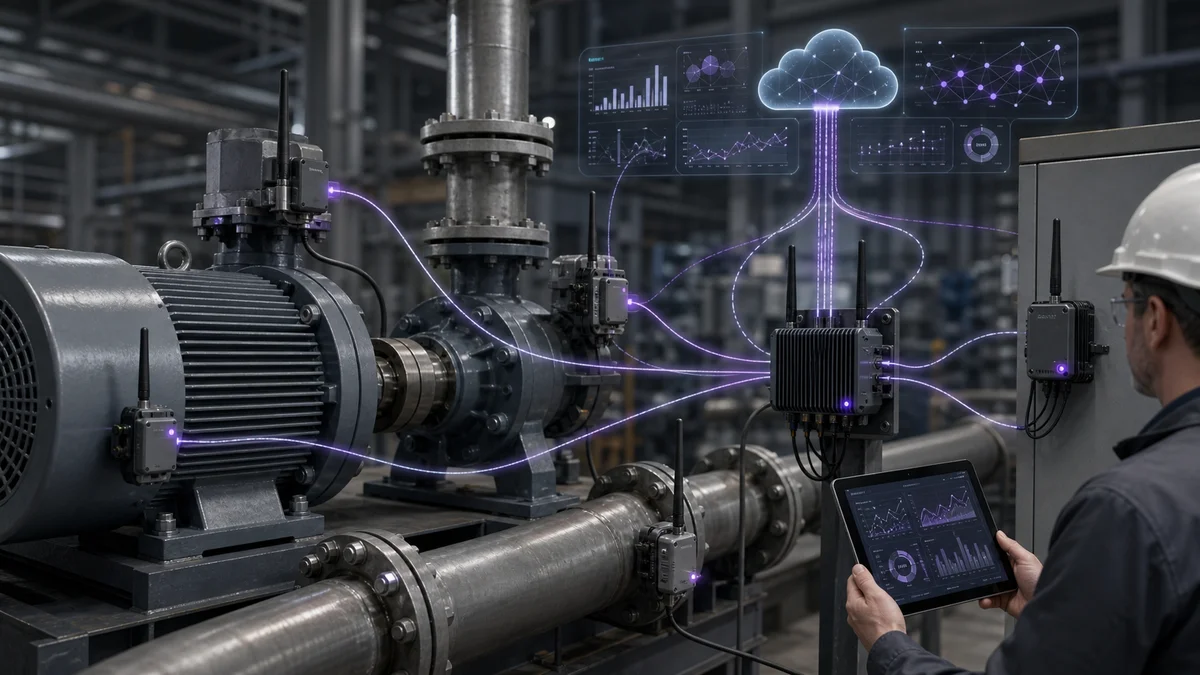
Industrial IoT (IIoT)
IIoT connects equipment, machinery and industrial sensors to a unified platform, enabling real-time monitoring, data analysis and optimized plant performance.
Read Article