In This Article
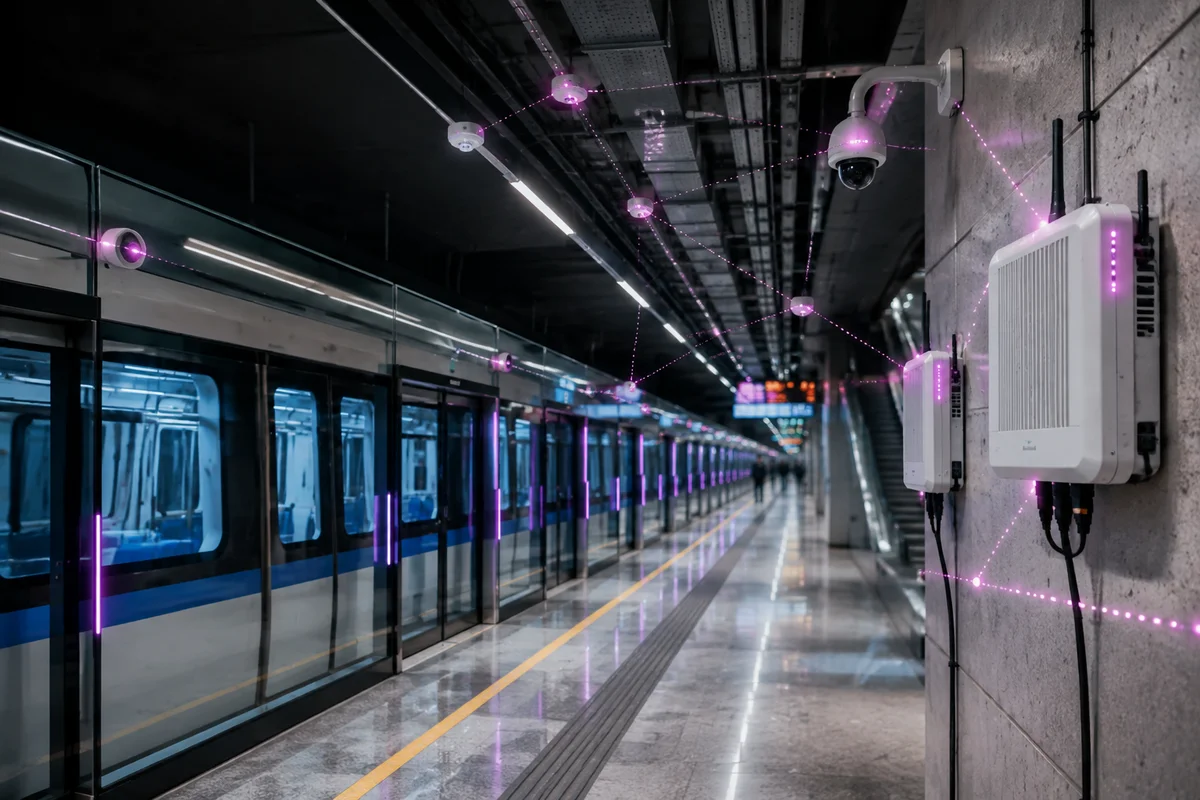
Subway networks move a huge volume of passengers every day, and any disruption in communications, scheduling delay or equipment fault can quickly turn into a widespread problem across the whole line. Industrial telecommunications and Industrial IoT (IIoT), by creating a stable communication platform between trains, stations, tunnels and the control center, enable real-time monitoring, more precise coordination, and greater passenger safety. This article covers the core components of a smart subway platform and its practical applications.
Key Takeaways
- Stable, uninterrupted communication between trains, stations and the control center via industrial telecommunications
- Real-time monitoring of track, tunnel and equipment condition to prevent failure
- Improved train-scheduling accuracy using real passenger-traffic data
- Smart management of station lighting, ventilation and energy based on passenger density
Safety & Scheduling Challenges in Traditional Subway Networks
On many subway lines, monitoring the condition of track, tunnels and equipment still relies mainly on periodic inspection and manual reports. This method can't catch sudden changes — such as a rail crack, degraded tunnel air quality, or a minor system fault — in time, raising the risk of a sudden line stoppage.
On top of that, without stable, real-time communication between trains, stations and the control center, adjusting train headway based on actual passenger density becomes difficult, and even a small disruption can trigger cascading delays across the entire line.
Components of an Industrial Telecom & IIoT Platform for the Subway
A smart subway platform is built from three core layers: a layer of industrial sensors installed on track, doors, tunnels and stations; a data-transfer layer based on fiber-optic networks and rugged industrial telecom equipment; and a software layer that presents the data as dashboards and alerts for the control room.
- Track, vibration and temperature monitoring sensors for early detection of track wear
- A fiber-optic transmission network and rugged industrial telecom equipment for stable communication throughout tunnels
- A centralized software platform for data analysis, scheduling and issuing smart alerts
Smart Monitoring of Stations, Tunnels & the Train Fleet
By installing vibration and temperature sensors on rails and railcars, the technical condition of both the route and the fleet is continuously logged and analyzed. This continuous monitoring, combined with real-time tracking of train location and passenger density at stations, enables dynamically adjusting train headway and predicting maintenance needs before a failure occurs.
Passenger Safety & Smart Energy Management
- Monitoring passenger density on platforms and issuing alerts for crowd management during peak hours
- Emergency alert and fire-alarm systems at stations and in tunnels
- Smart station lighting and ventilation based on actual passenger traffic
- Reduced line energy use through coordinated automation of power and ventilation systems
Summary & the Road Ahead
Subway smartification is a gradual process that can start with a single station or a single section of a line and expand over time to the entire network. By designing a comprehensive, home-grown industrial telecommunications and IoT platform for the rail transport sector, DanialMoj is ready to deliver a dedicated, practical solution tailored to each subway line's or network's real needs.
Frequently Asked Questions
What exactly does subway smartification mean?
Can industrial telecommunications work in subway tunnels with poor signal coverage?
What impact does IoT have on subway train-scheduling accuracy?
What does it cost to implement a smartification platform for a subway line?
Want to find out how DanialMoj's industrial telecommunications and IoT platform can be designed for your subway line or network?
Request a Free ConsultationRelated Articles
Smart Railway
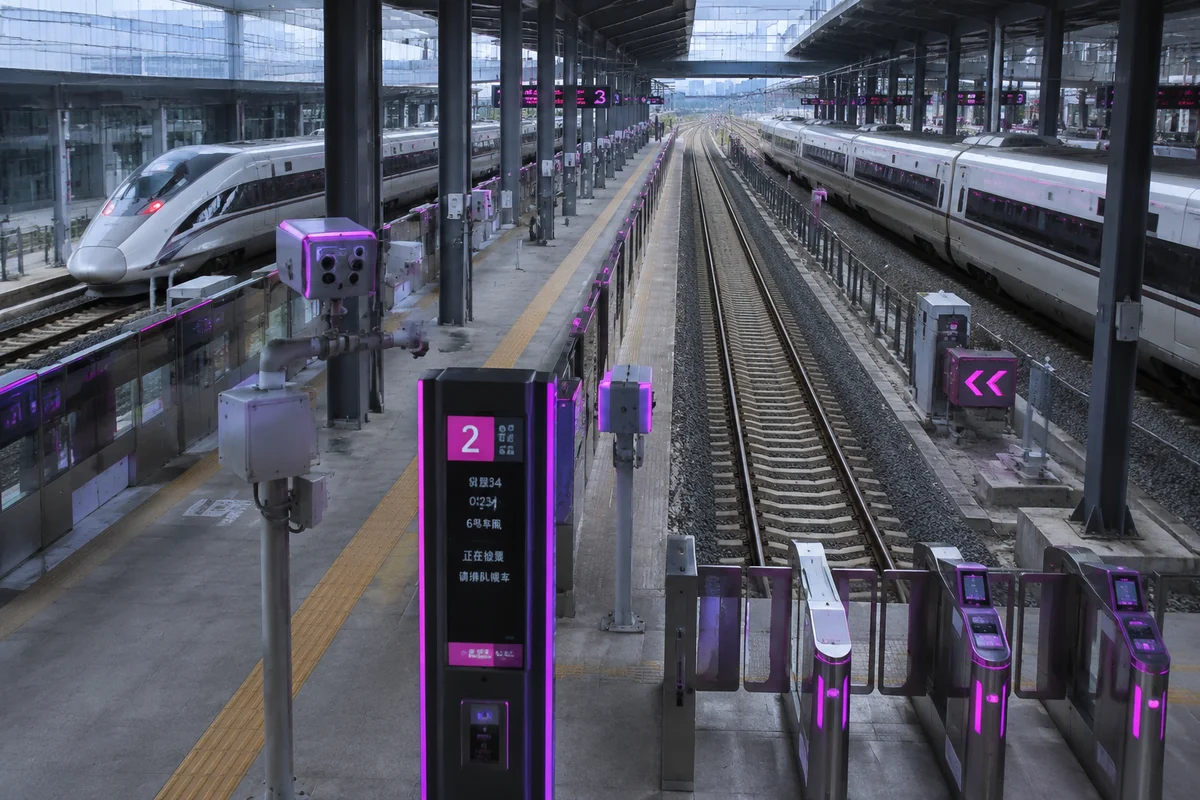
Monitoring track condition, rail telecommunications and smart signaling systems to improve rail transport safety.
Read Article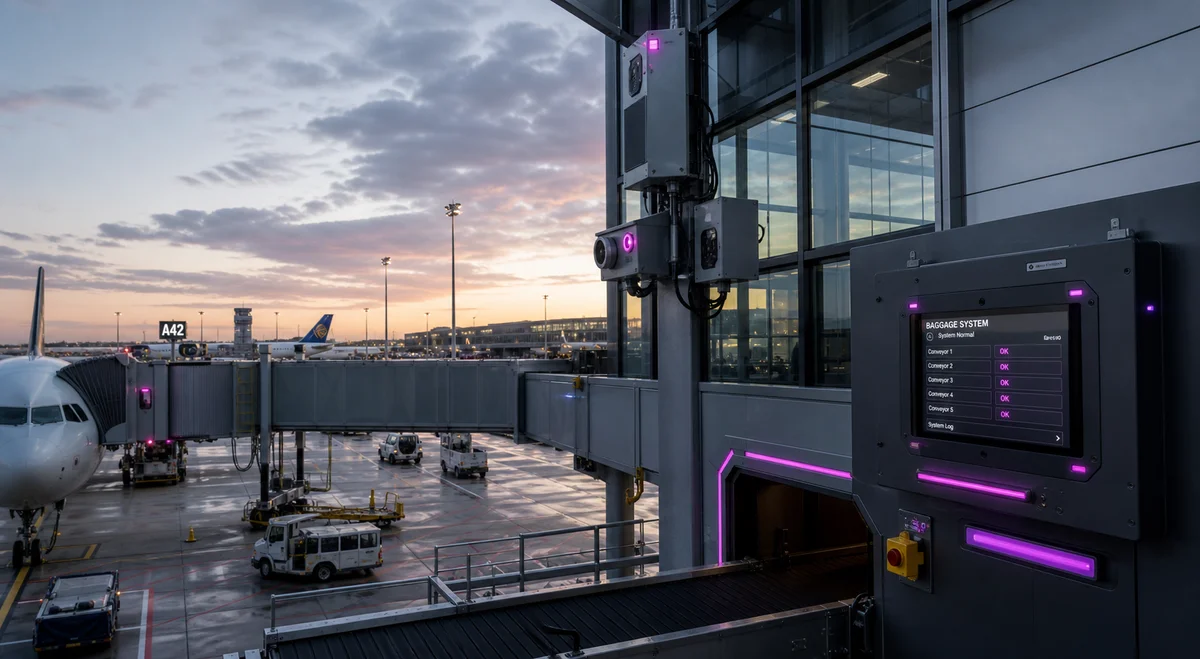
Smart Airport
Smart baggage and passenger tracking, equipment monitoring and improved flight-operation safety with industrial communication infrastructure.
Read Article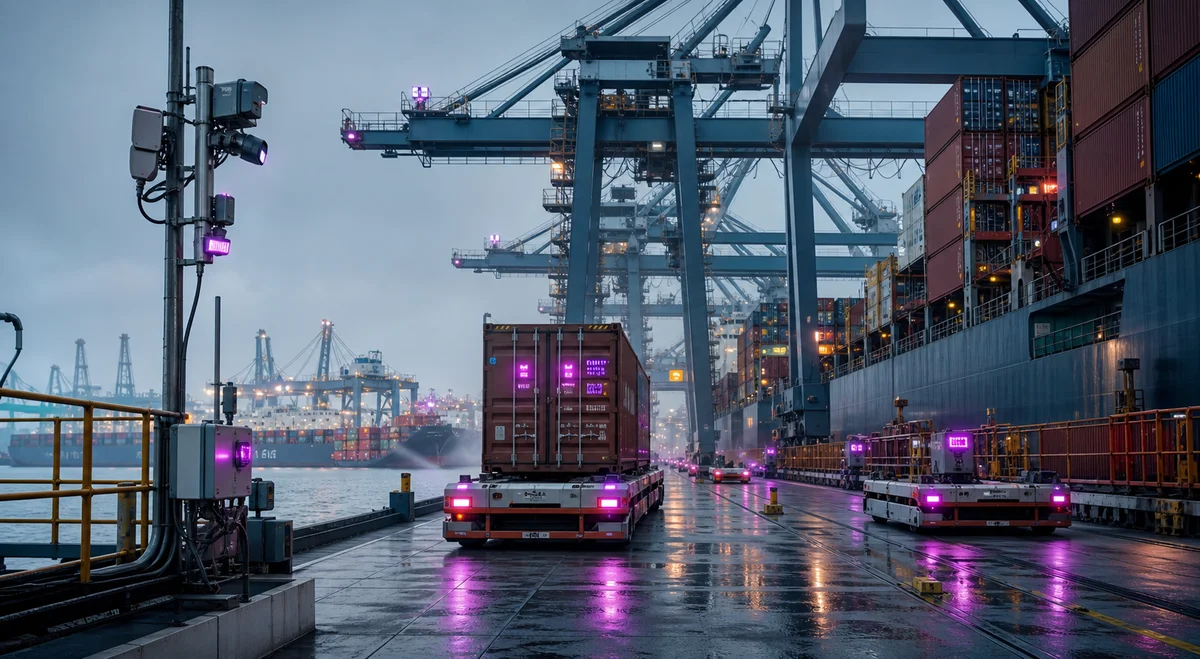
Smart Seaport
Smart cargo-handling management, port equipment monitoring and integrated security through industrial communication infrastructure.
Read Article
Smart City
Integrating urban infrastructure with IIoT platforms for better management of city resources and services.
Read Article