In This Article
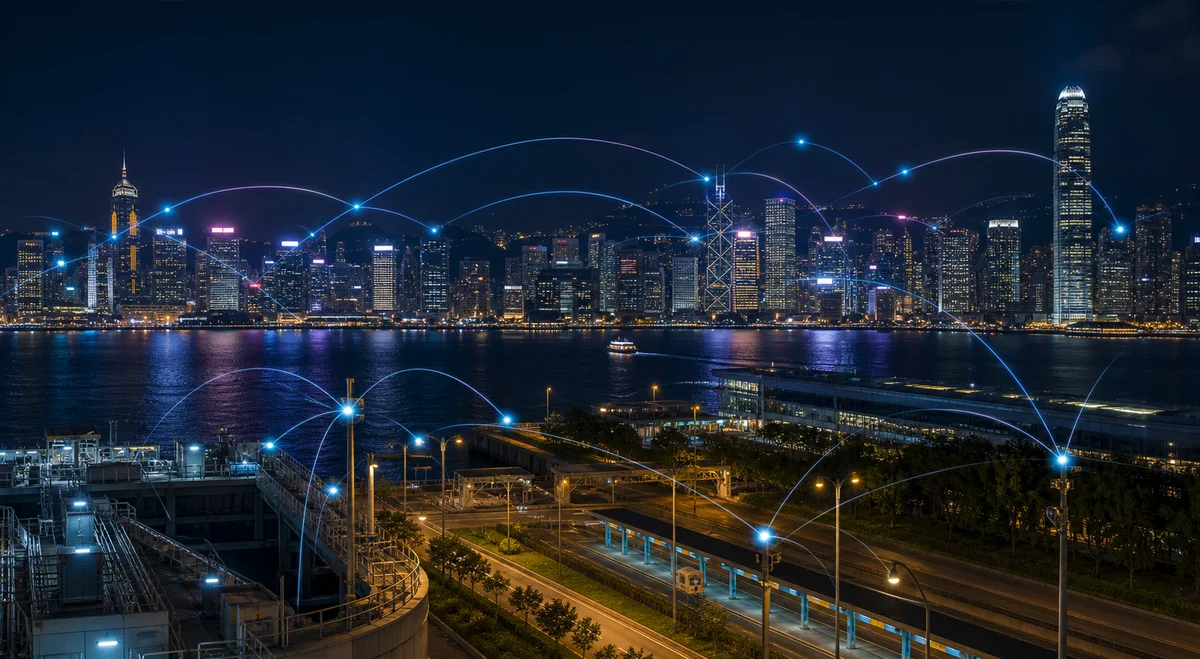
Cities manage a huge volume of data, citizen movement, energy resources and waste every single day — a process that easily leads to wasted resources, traffic and pollution without the right tools. By connecting sensors, cameras and municipal systems into one integrated platform, IoT enables real-time monitoring, data-driven decision-making, and a better quality of life for citizens. This article covers the core components of a smart city and its practical applications.
Key Takeaways
- Cutting carbon emissions by up to 60% and waste-collection costs by up to 40% through smart waste routing
- Cutting the time it takes to find a parking spot by up to half with smart parking management and guidance systems
- Forecasting air-pollution severity up to 72 hours ahead using AI data analysis
- Integrating urban infrastructure into a single, multi-layered, scalable IoT platform
The Challenges of Managing Today's Big Cities
In many metropolitan areas, waste, traffic and parking management is still carried out on a fixed schedule, with no real awareness of actual conditions. Trash bins are emptied regardless of how full they actually are, drivers spend a lot of time hunting for a parking spot, and traffic lights run on fixed timing without accounting for real traffic volume.
Meanwhile, air pollution and excessive energy use in street lighting and green-space irrigation are hard to control without real-time monitoring tools. This lack of an integrated, data-driven view of these processes makes decision-making harder for city officials and drives up municipalities' operating costs.
Core Infrastructure of a Smart City
A smart city takes shape by merging information and communication technology with physical devices connected to the IoT, so urban processes can be optimized and citizen services improved. The most important infrastructure areas that can be smartified in a smart-city project include:
- Smart waste management with fill-level sensors on bins and optimized collection routes
- Smart parking, including entry/exit management, smart locks and a parking-guidance system
- Traffic control with cameras and AI sensors at intersections and along roadways
- Air-pollution control and AI-assisted forecasting
- Managing public-transit fleets and municipal vehicles through tracking and driver-behavior analysis
- Smart management of urban green spaces and automated irrigation
- Smart street lighting based on traffic volume and time of day
Smart Waste, Parking & Traffic Management
In smart waste management, sensors installed on trash bins measure fill level and report their location to a control center so drivers get the optimal collection route. This approach can cut waste-collection costs by up to 40% and truck-related carbon emissions by up to 60%.
In smart parking, a Parking Management System (PMS) uses RFID tags, wireless sensors and license-plate cameras to automatically control vehicle entry and exit. Alongside it, a Parking Guidance System (PGS) displays available capacity on each floor and aisle, cutting the time it takes to find a spot by up to half and potentially increasing a facility's visitor numbers by up to 5%.
For traffic control, AI-enabled cameras and sensors determine the volume of vehicles entering each street and relay it to a traffic control center so signal timing can adjust dynamically. One operational example of this approach in Iran is the SCATS smart control system, active at many intersections across the city of Mashhad.
Air-Pollution Control & Smart Energy
AI-equipped traffic lights can analyze data from roadside sensors, weather forecasts and vehicles' Bluetooth devices to predict air-pollution severity for the coming hour and route vehicles toward less-polluted areas; some of these systems can forecast pollution severity up to 72 hours in advance.
On the energy side, smart street lighting is adjusted based on actual citizen traffic and time of day, and a smart irrigation system for urban green spaces — combining rain, wind, soil-moisture, temperature and sunlight sensors — activates irrigation only when it's genuinely needed. Given that a significant share of the country's water waste occurs in agriculture and urban green-space irrigation, smart management of this area plays an important role in water-resource management.
DanialMoj's IoT Platform for the Smart City
By designing a comprehensive, home-grown IoT platform, DanialMoj delivers flexible, multi-layered infrastructure tailored to smart-city needs. The platform is built from device-connectivity, cloud-processing, data-management, device-management, application and security layers, and lets startups and developers add new service modules to deliver specialized applications for different businesses, organizations and government offices on a single, integrated infrastructure.
The platform is designed to manage thousands of active urban devices, pieces of equipment and assets, and is scalable enough to support a high number of users and simultaneous connections. This lets municipalities expand smart-city infrastructure domain by domain — from waste and parking to traffic and lighting — gradually and without interrupting current services.
Frequently Asked Questions
What exactly does 'smart city' mean?
Does building smart-city infrastructure require completely replacing municipal equipment?
What role does the IoT platform play in a smart city?
How much does a project like this cost, and how long does it take a municipality to implement?
Want to find out how DanialMoj's IoT platform can be designed for your municipality or organization?
Request a Free ConsultationRelated Articles
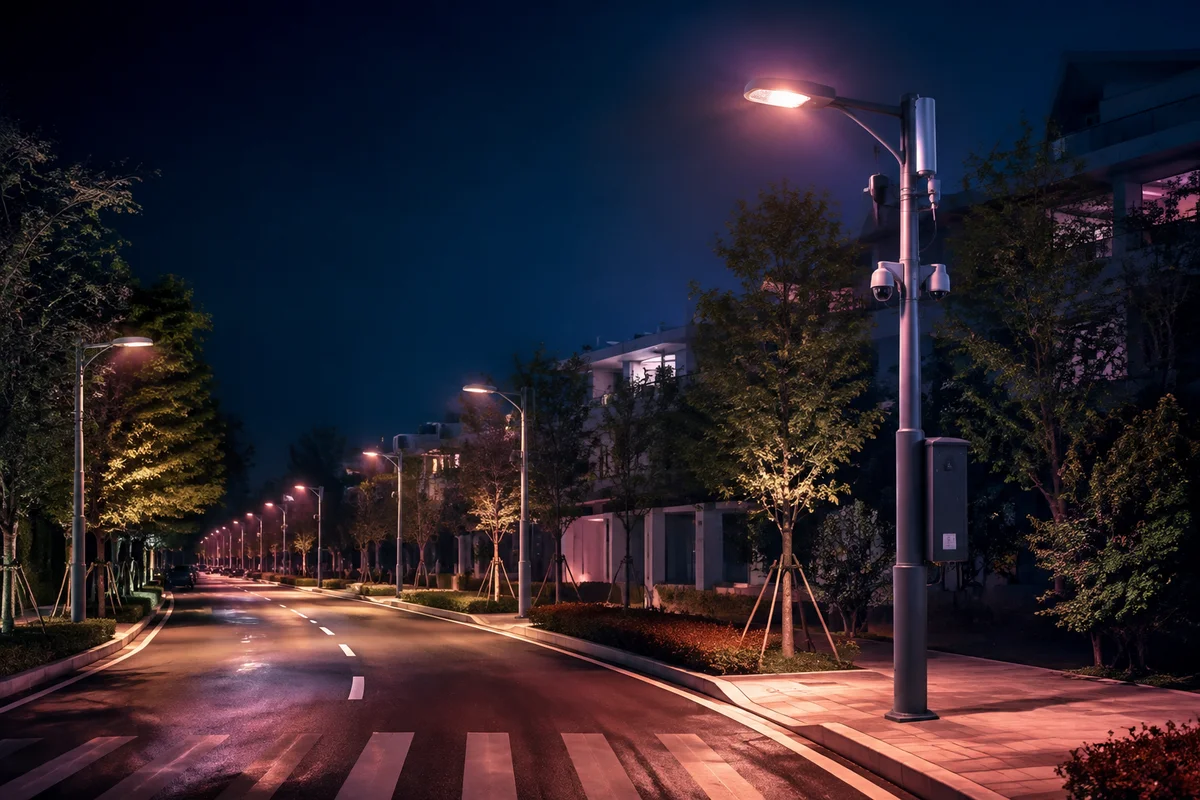
Street Lighting
Smart control of street lights to cut power consumption and improve road safety at night.
Read Article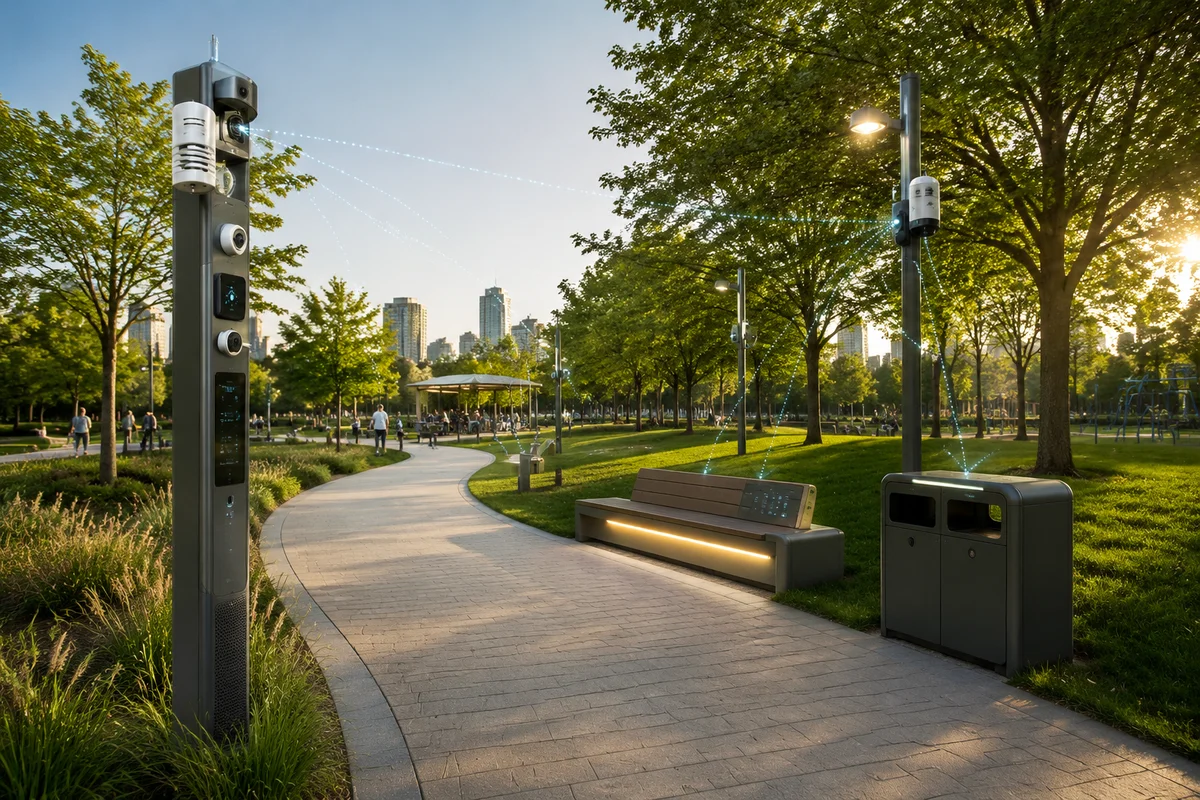
Smart Park
From smart lighting to environmental monitoring — the technologies making urban parks safer and more sustainable.
Read Article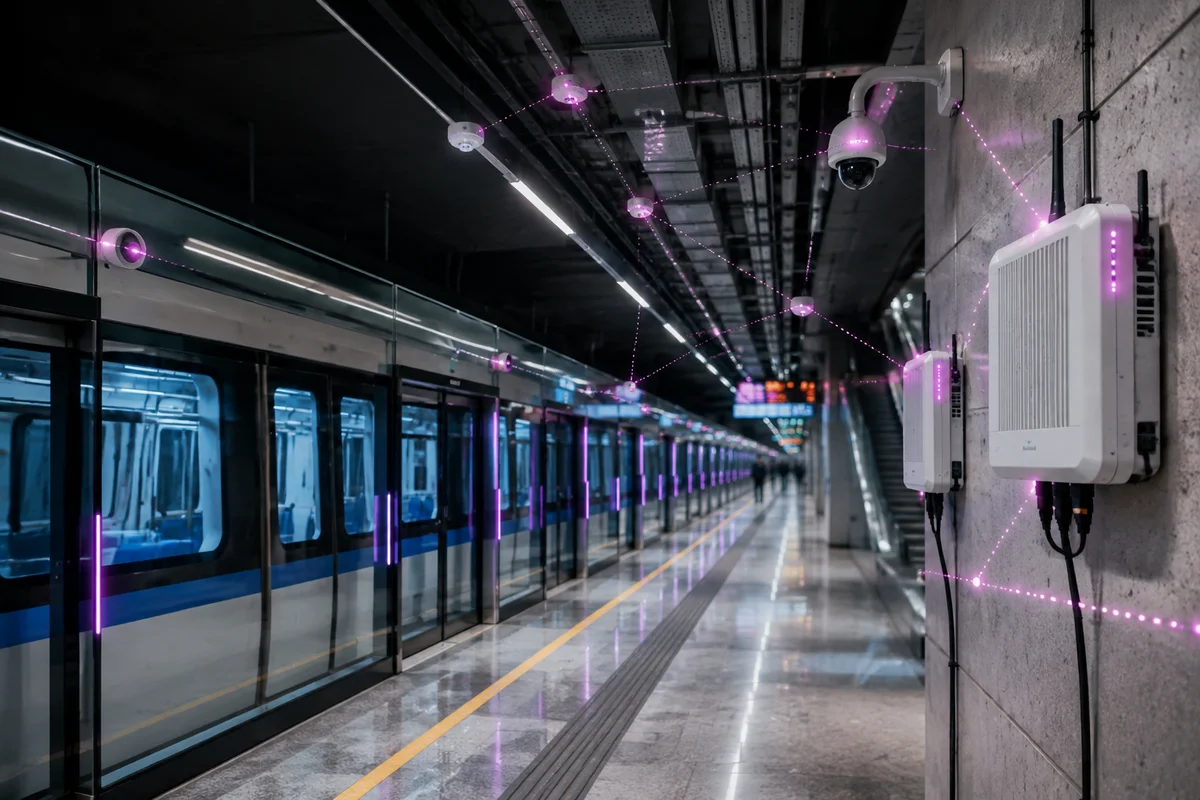
Smart Subway
Industrial telecommunications and monitoring systems to improve safety and scheduling accuracy across the subway network.
Read Article
Smart Railway
Monitoring track condition, rail telecommunications and smart signaling systems to improve rail transport safety.
Read Article