In This Article
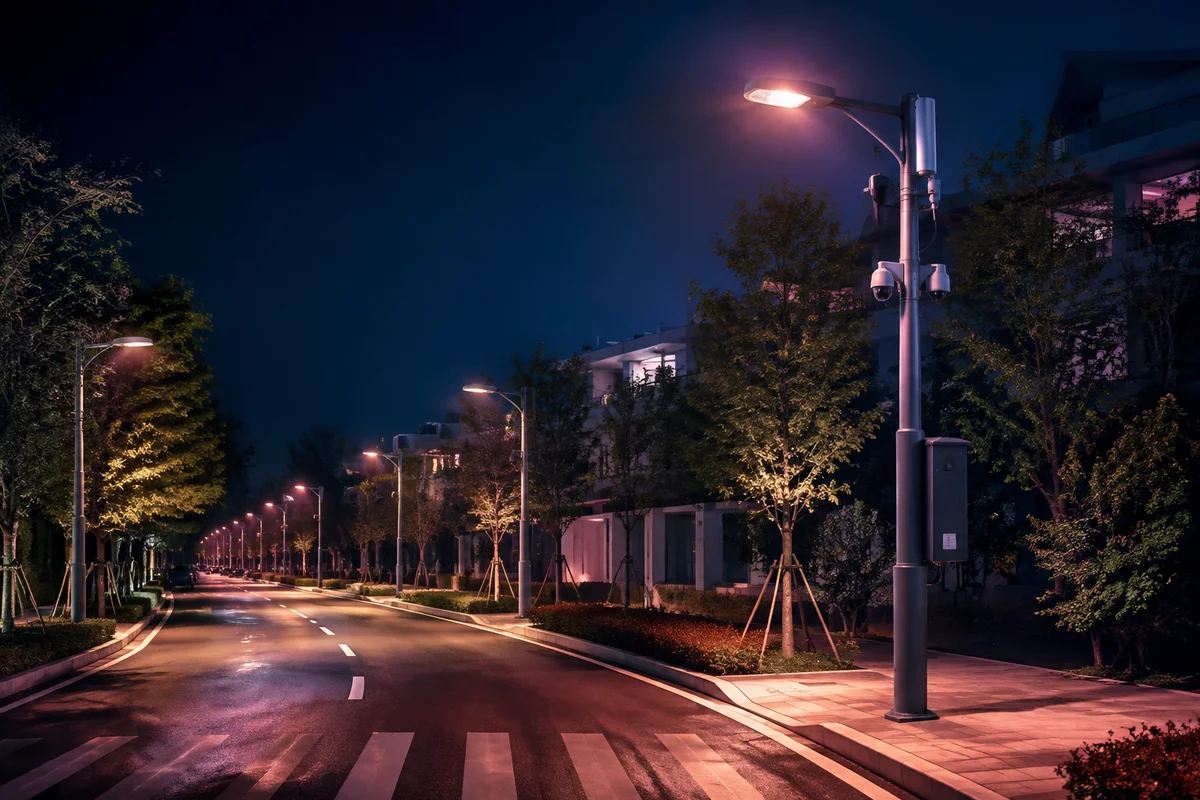
Street lighting is one of the most energy-intensive parts of urban infrastructure, and in many cities it's still managed on a fixed schedule or through manual control — an approach that wastes a lot of energy and makes spotting broken or faulty lights difficult. By connecting LED lights, light and traffic sensors and smart controllers into one integrated platform, Industrial IoT (IIoT) enables dynamic light adjustment, real-time monitoring of every light pole's status, and a dramatic reduction in power consumption. This article covers the core components of a smart street-lighting system and its practical applications.
Key Takeaways
- Cutting power consumption by 40 to 70% through smart brightness adjustment based on traffic and ambient light
- Real-time monitoring of every light pole's status, with instant alerts for failure or reduced performance
- Improved nighttime road safety through timely, targeted lighting of high-traffic or accident-prone spots
- Centralized management of the entire city lighting network through a single dashboard
The Challenges of Traditional Street Lighting
In many cities, street lights are still turned on and off on a fixed schedule or with simple photocell switches — a method that's coordinated with neither actual traffic levels nor seasonal changes in nighttime light. The result is inefficient energy use and high electricity costs for municipalities and the organizations responsible.
On top of that, identifying broken or dim lights usually depends on citizen reports or periodic staff inspections, which can take days or even weeks. This delay in detecting failures raises the risk of nighttime accidents on poorly lit streets and makes maintenance planning and management harder.
Components of a Smart Lighting Platform
A smart lighting platform is built from three core layers: a layer of LED lights equipped with controllers and sensors, a data-transfer layer over wireless networks or fiber optics, and a software layer that displays each light pole's status as a map, dashboard and alerts for city operators.
- Smart controllers (nodes) installed on each light for turning it on and off and adjusting brightness
- Ambient-light and traffic sensors for automatically detecting conditions and adjusting lighting to actual need
- Communication gateways for reliably transferring data between lights and the control center
- A centralized software platform for monitoring, reporting and issuing failure alerts
Adaptive Control & Real-Time Light Monitoring
By connecting each street light to an IoT platform, brightness can be adjusted dynamically based on factors like time of night, vehicle and pedestrian traffic, and ambient light conditions. For example, during low-traffic overnight hours, lighting can automatically dim, then quickly return to full brightness once a vehicle or pedestrian is detected approaching. This continuous monitoring also enables early detection of light failure or degraded performance before a street goes completely dark, dramatically speeding up maintenance planning.
Key Applications & Benefits
- Significantly cutting municipal electricity costs through smart, per-light energy-use control
- Targeted illumination of high-traffic spots, intersections and accident-prone roads to improve nighttime safety
- Faster response to failures via automatic alerts, instead of relying on citizen reports
- Integrating lighting data with other smart-city systems on a single dashboard
Summary & the Road Ahead
Smartifying street lighting is a gradual process that can start with a single neighborhood or road and expand over time to the entire city lighting network. By designing a comprehensive, home-grown IoT platform for smart lighting, DanialMoj is ready to deliver a dedicated, practical solution tailored to each municipality's or organization's real needs.
Frequently Asked Questions
What exactly does smart street lighting mean?
Does smartifying street lighting require replacing every light pole?
How much power does smart lighting save?
What does implementation cost for a medium-sized lighting network?
Want to find out how DanialMoj's IoT platform can be designed for your city's or organization's street-lighting network?
Request a Free ConsultationRelated Articles
Smart City
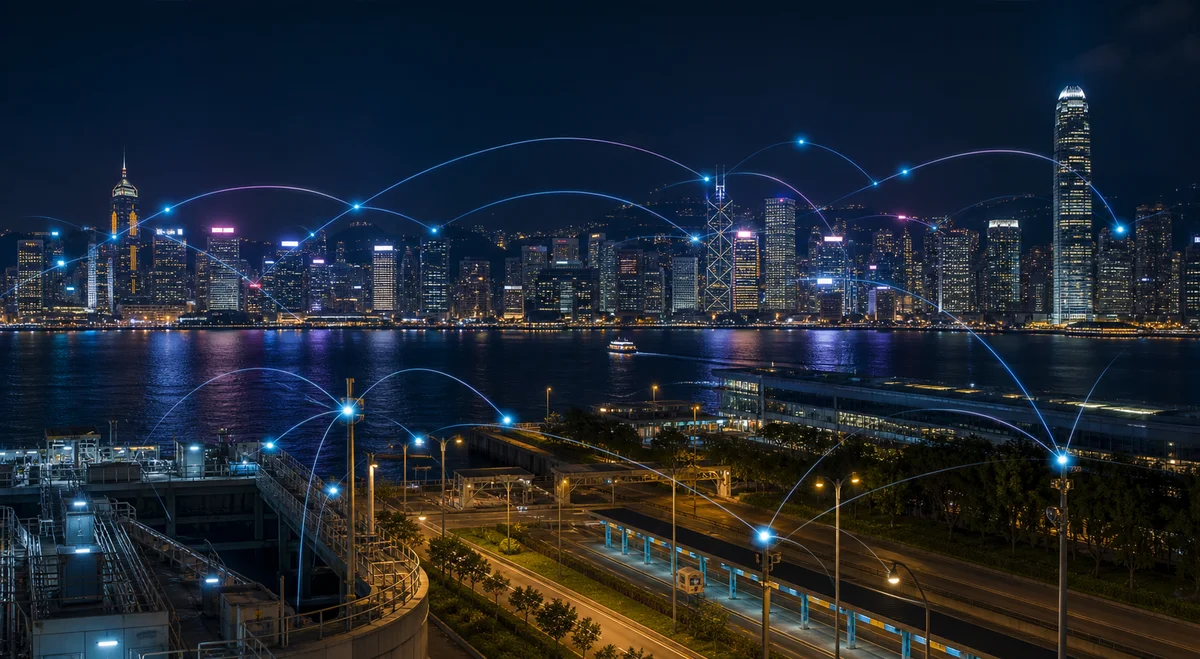
Integrating urban infrastructure with IIoT platforms for better management of city resources and services.
Read Article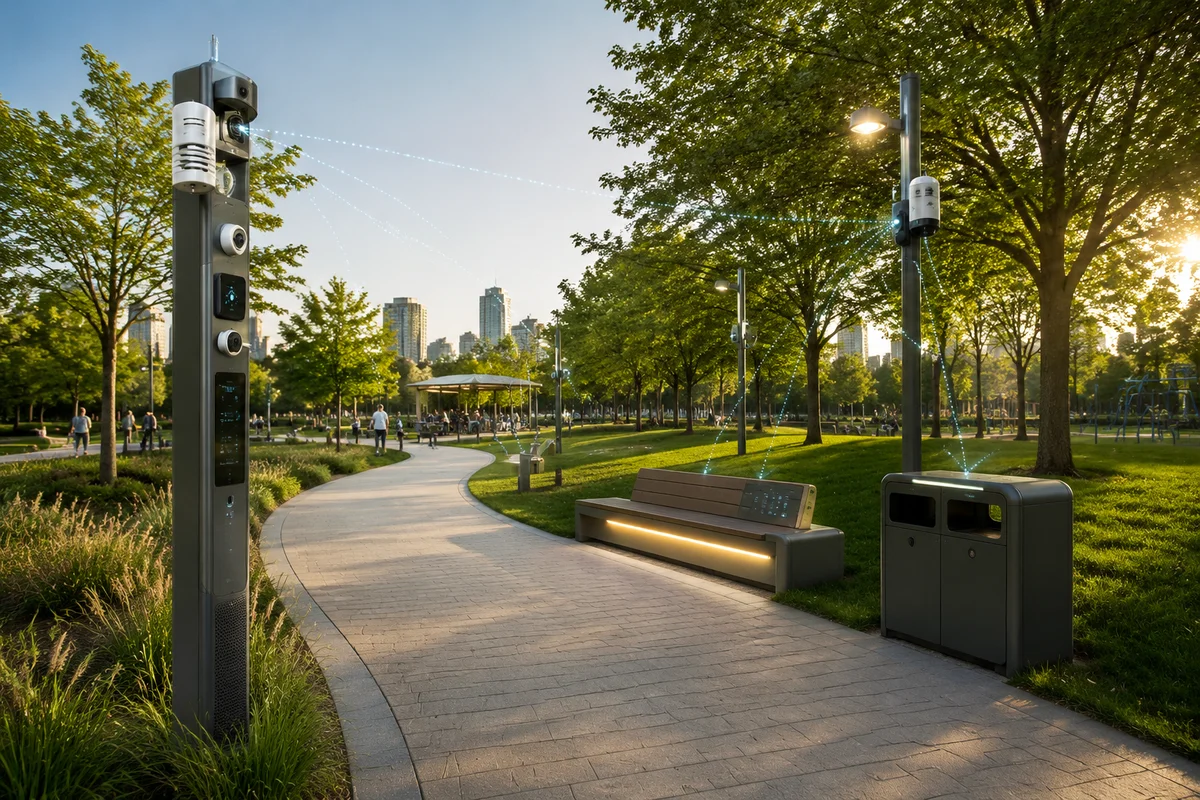
Smart Park
From smart lighting to environmental monitoring — the technologies making urban parks safer and more sustainable.
Read Article
Smart Home
Automating lighting, security and energy use at home with smart, reliable communication protocols.
Read Article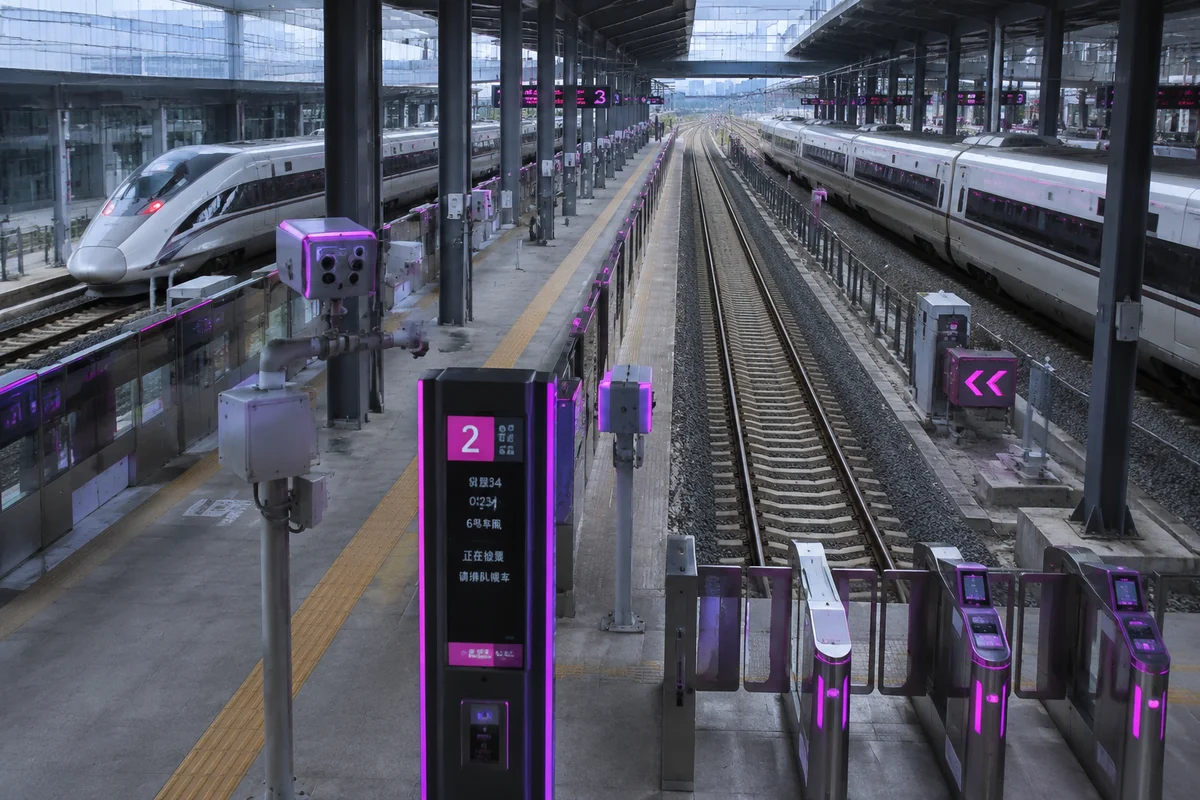
Smart Railway
Monitoring track condition, rail telecommunications and smart signaling systems to improve rail transport safety.
Read Article