In This Article
Protecting the environment calls for continuous, precise monitoring of parameters like air quality, water resources, vegetation cover and waste volume — something that's difficult and slow to do with traditional methods and periodic sampling. Industrial IoT (IIoT) deploys a network of smart sensors across nature, cities and industry to enable real-time pollutant monitoring, early detection of environmental hazards, and better resource management. This article covers the core components of a smart environmental platform and its practical applications.
Key Takeaways
- Real-time air-quality monitoring and pollutant-concentration tracking in industrial and urban locations
- Early forest-fire detection with temperature, smoke and humidity sensors
- Smart green-space irrigation management based on actual soil moisture
- Smart monitoring of municipal waste-bin fill levels to optimize collection routes
- Monitoring water-distribution and sewage networks to prevent waste and overflow
The Challenges of Traditional Environmental Monitoring
Many air- and water-pollution monitoring stations sample at fixed points with long intervals between readings, giving an incomplete, delayed picture of actual conditions. In critical situations — such as a sudden spike in pollution or the start of a fire — that delay can rob officials of the chance to react quickly.
On top of that, managing natural resources like urban green-space irrigation or waste-bin monitoring is usually done on a fixed schedule rather than based on actual need — a pattern that leads to wasted water and unnecessary fuel consumption by waste-collection fleets.
Components of an IIoT Platform for the Environment
An environmental IIoT platform is built from three core layers: a range of sensors — covering air quality, temperature, soil moisture, water level and waste — installed at key points; a low-power, wide-area wireless network (such as LoRaWAN or NB-IoT) for covering large natural and urban areas; and a centralized software platform for data analysis and environmental alerts.
- Air-quality sensors (PM2.5 and PM10 particulates, pollutant gases) built to withstand weather conditions
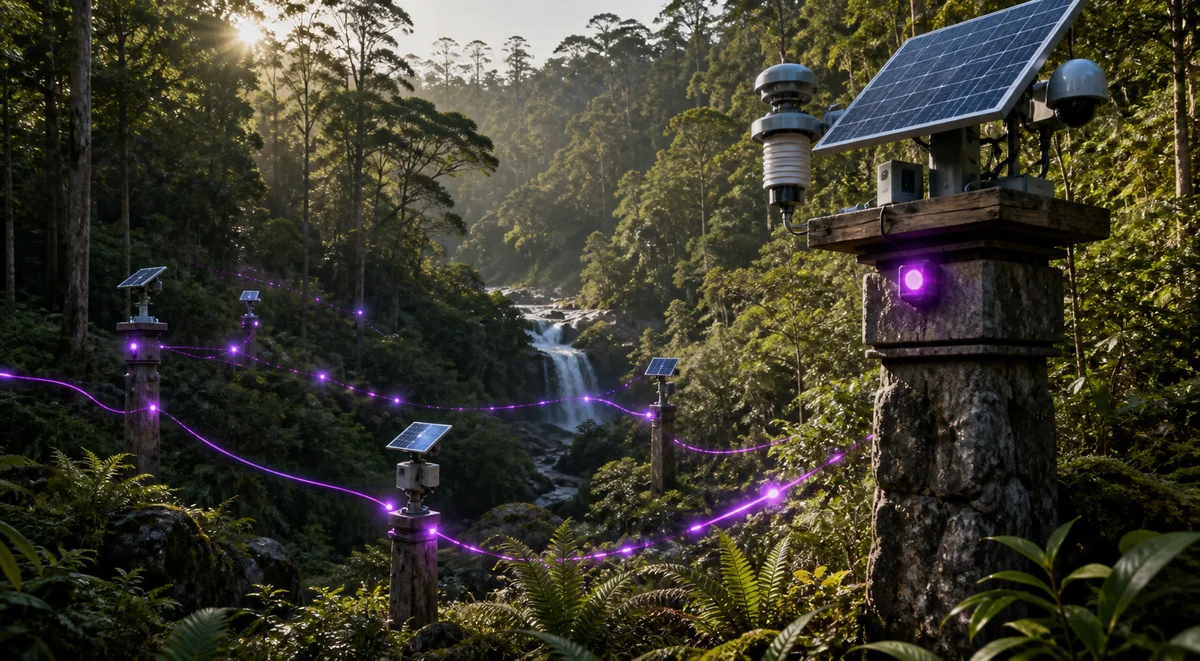
- Temperature, smoke and soil-moisture sensors for monitoring forests and preventing fires
- Low-power LoRaWAN/NB-IoT gateways for covering large areas without needing a permanent power infrastructure
Early Forest-Fire Detection & Air-Pollution Monitoring
By deploying a network of temperature, smoke and humidity sensors in high-risk forest areas, any abnormal change in air composition or sudden temperature spike is quickly identified and relayed to a control center. This continuous monitoring enables early warning before a fire spreads and rapid deployment of emergency responders, preventing widespread forest damage.
Key Applications & Benefits
- Real-time air-quality monitoring at industrial sites and high-traffic urban areas
- Early detection of forest and rangeland fires with automatic alerts
- Smart irrigation of urban green spaces based on actual soil moisture, not a fixed schedule
- Optimizing waste-collection routes based on how full bins actually are
- Monitoring water-distribution and sewage networks for early leak detection and waste prevention
Summary & the Road Ahead
Environmental smartification can start with monitoring a single high-risk area or a key network — such as urban green spaces or waste bins — and gradually extend to a broader area of a city or natural region. By designing a comprehensive, home-grown IoT platform tailored to each region's environmental needs, DanialMoj is ready to deliver a dedicated, practical solution.
Frequently Asked Questions
What exactly does environmental smartification mean?
How do these sensors work in vast natural areas without access to power and internet?
Can this platform integrate with existing municipal or environmental-agency systems?
What does it cost to monitor a medium-sized region or city?
Want to find out how DanialMoj's IoT platform can be designed to monitor your region or city's environment?
Request a Free ConsultationRelated Articles
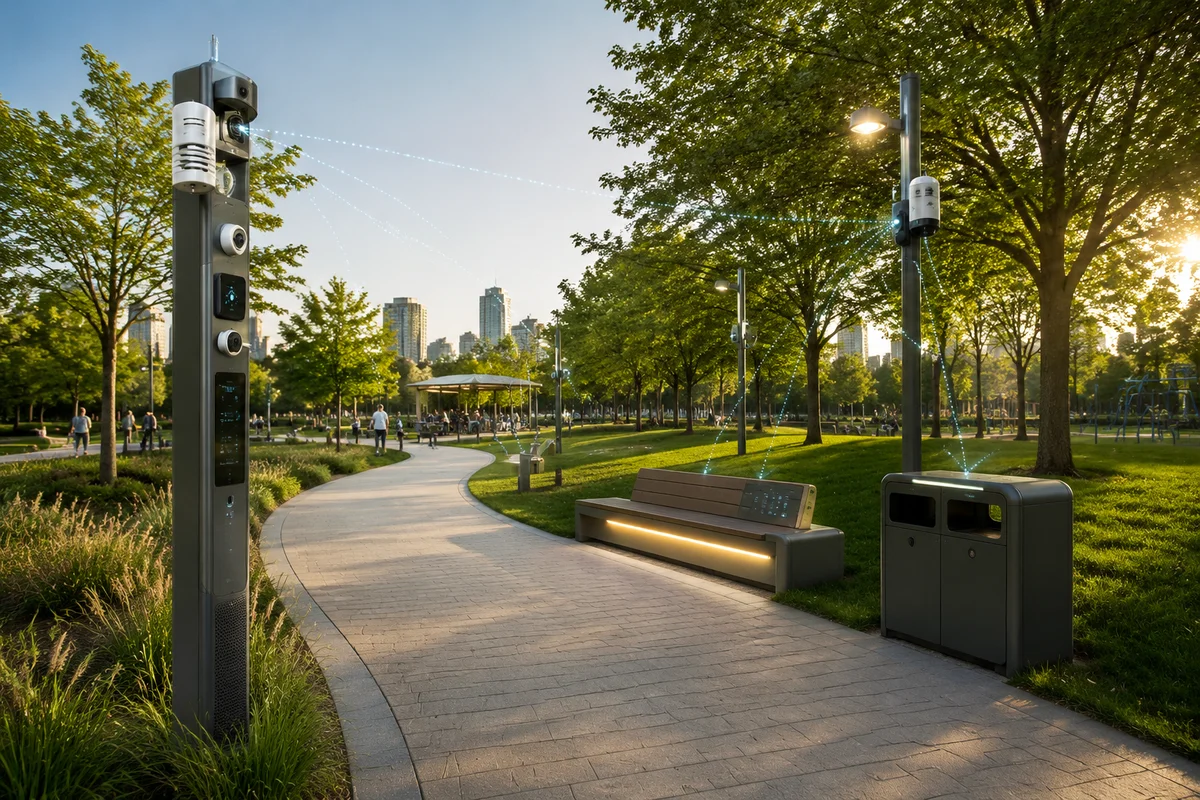
Smart Park
Smart management of irrigation, lighting and safety for urban green spaces with an IoT platform.
Read Article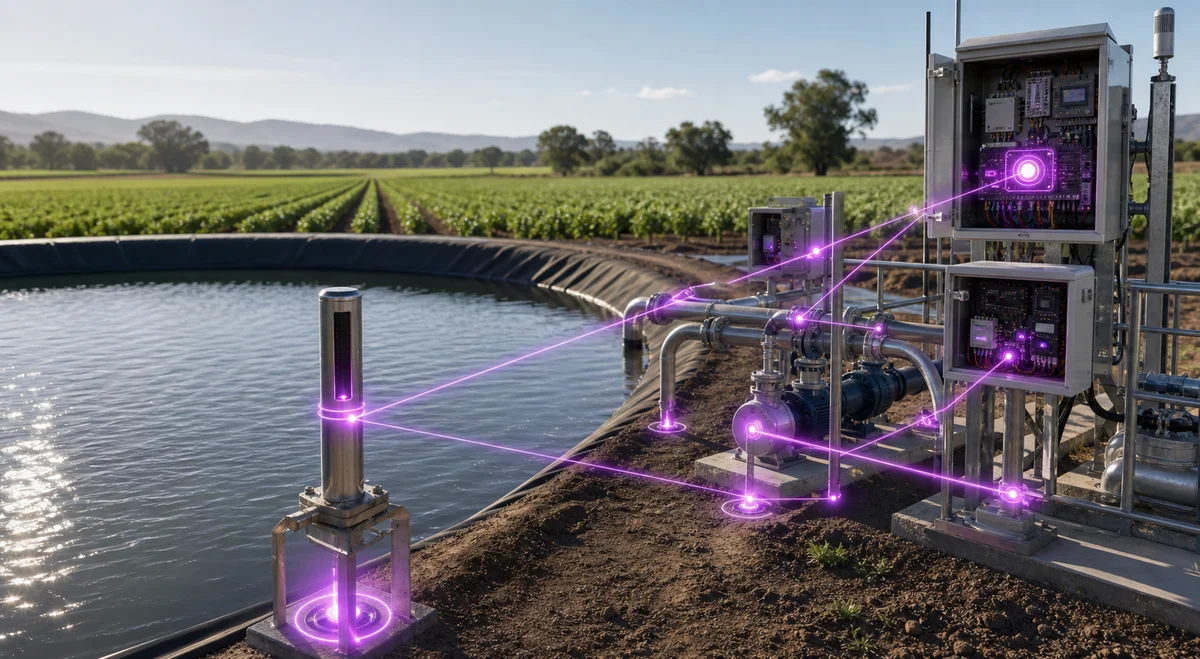
Smart Irrigation Reservoirs
Real-time monitoring of reservoir water level and quality for optimal water-resource management.
Read Article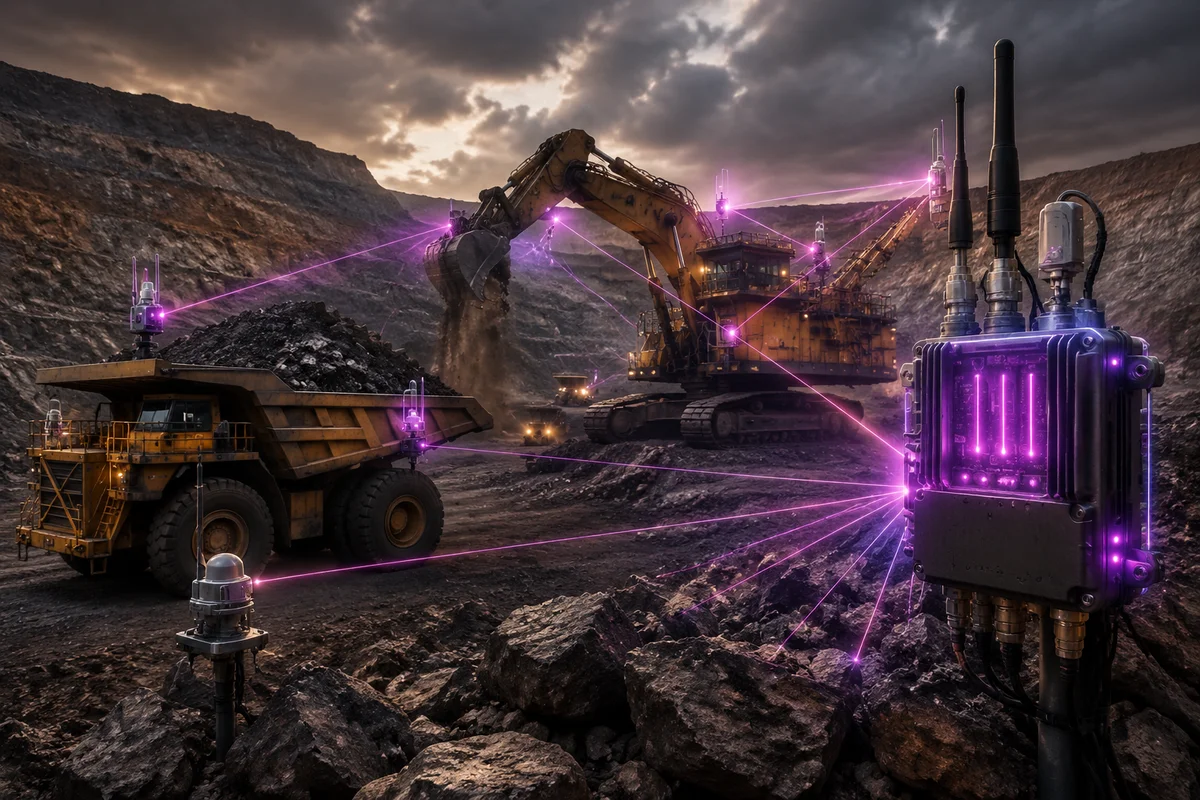
Smart Mining
How industrial sensors and real-time monitoring increase safety and productivity in mines.
Read Article
Smart Greenhouse
Controlling temperature, humidity and light with smart systems to optimize greenhouse crop production.
Read Article