In This Article
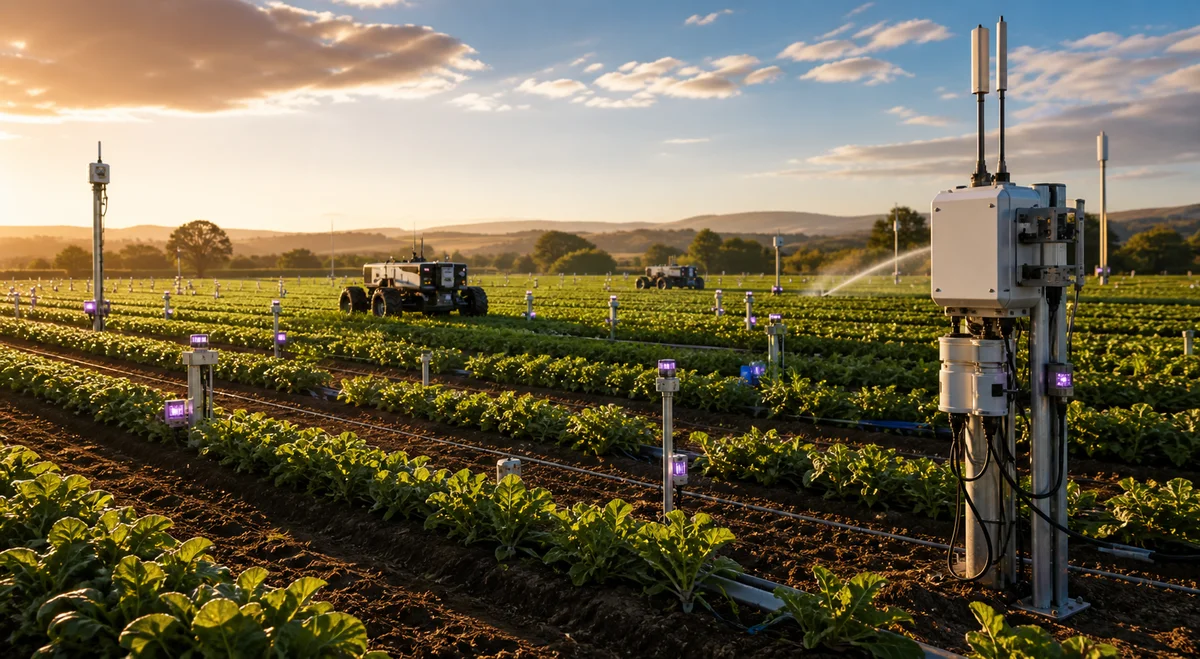
Farming decisions — when to irrigate, when to fertilize, when to harvest — are traditionally made on experience and rough estimates. Field sensors turn those decisions into ones based on actual soil and crop conditions, often improving yield while using fewer inputs.
Key Takeaways
- Soil-moisture sensors enable irrigation based on actual field conditions rather than a fixed schedule.
- Long-range, low-power sensor networks make monitoring practical across large or remote farmland.
- Combined weather and soil data helps predict irrigation and treatment needs several days ahead.
Why precision matters in farming
Over- or under-watering both hurt yield, and both waste resources. Soil-moisture and weather data let a farm apply exactly what's needed, when it's needed, instead of relying on a calendar-based irrigation schedule that ignores actual field conditions.
What gets monitored in the field
A typical precision-agriculture deployment covers a handful of high-value data points per field.
- Soil moisture & temperature — at multiple depths for accurate irrigation triggers.
- Weather stations — localized rainfall, humidity, and wind data.
- Water systems — pump status and flow monitoring for irrigation infrastructure.
- Crop & environmental sensors — where relevant to specific crop types.
Why LoRaWAN fits farmland so well
Farms often span large areas with no existing connectivity. LoRaWAN's long range and low power draw let a single gateway cover an entire farm with sensors that run for years on a small battery — a combination that fits agricultural economics far better than cellular data per sensor.
From data to decisions
Raw sensor readings only help if they're translated into clear irrigation or treatment recommendations; the platform's dashboards and alerts are built around the decisions a farm manager actually needs to make, not just raw charts.
Frequently Asked Questions
How far can a single gateway cover?
Do sensors need a power connection in the field?
Can this integrate with existing irrigation controllers?
Interested in a similar solution for your organization? Our engineering team can help you scope the right approach.
Request a ConsultationRelated Articles
Smart Hospital
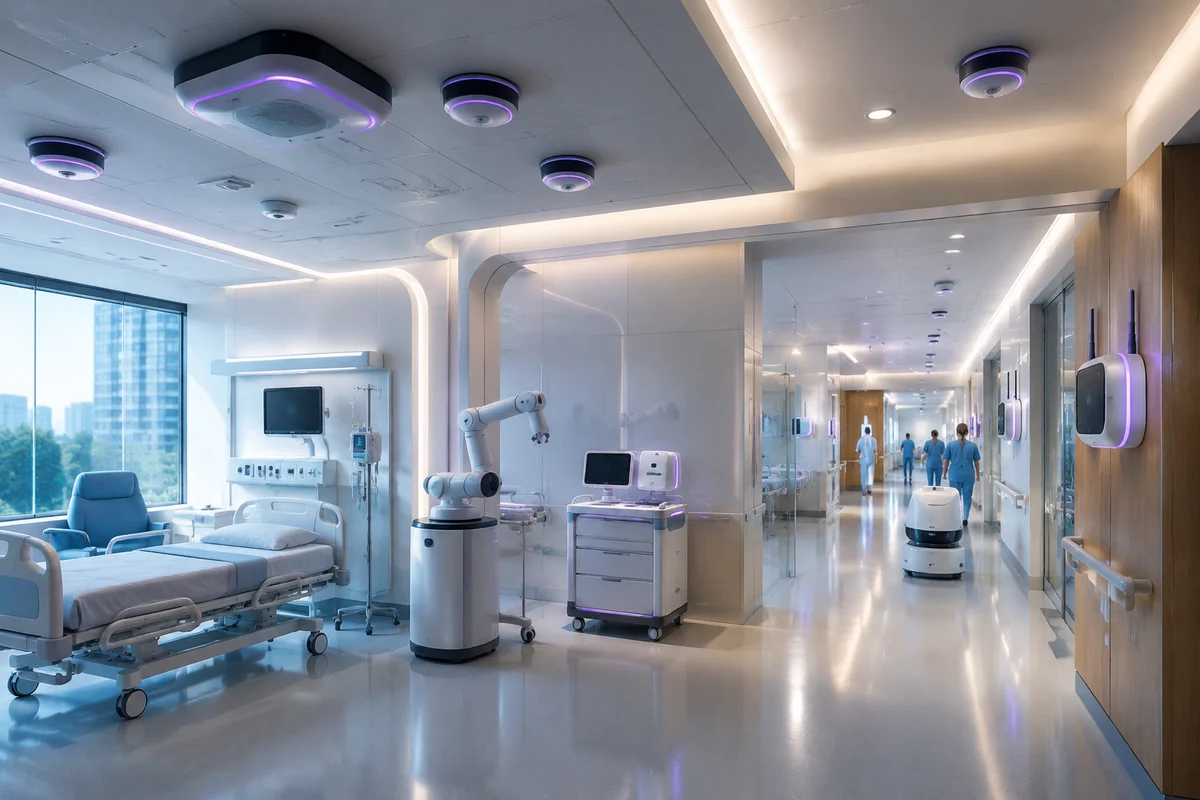
Industrial IoT sensors and monitoring platforms that track medical equipment status and hospital energy use around the clock.
Read Article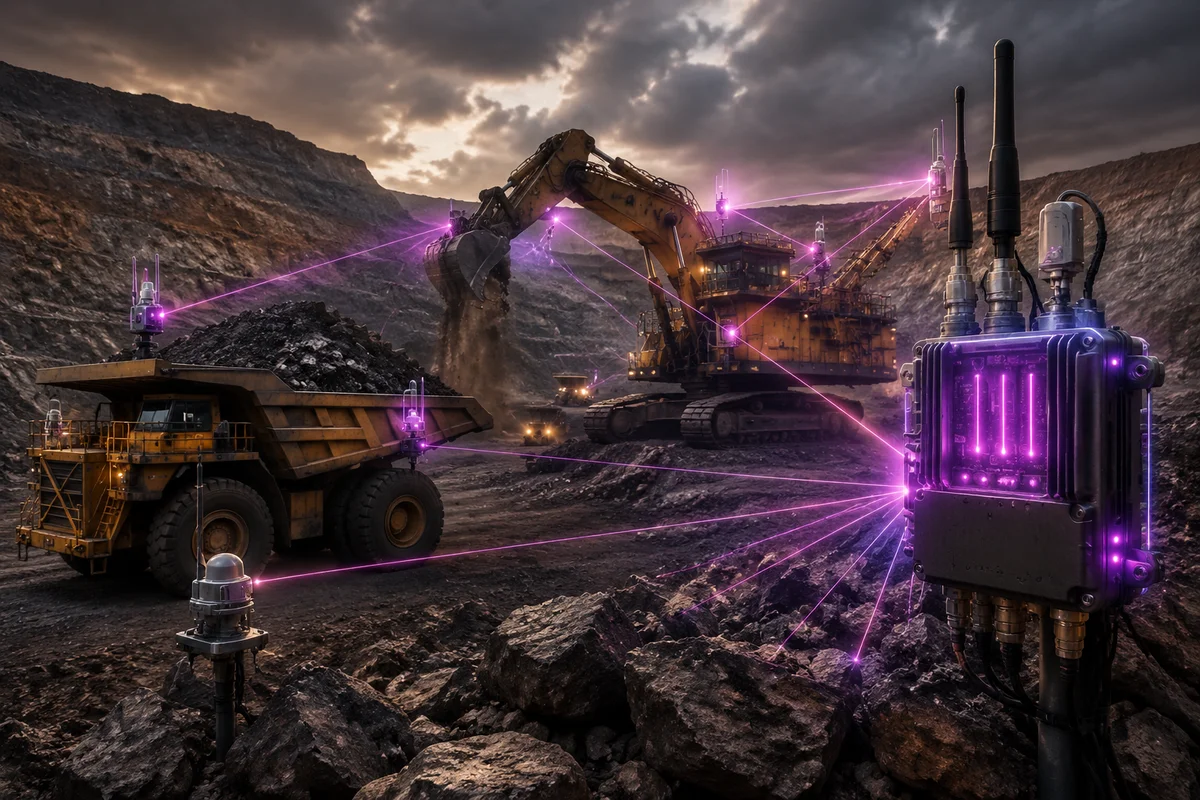
Mining Automation
Rugged industrial telecom and equipment monitoring in harsh mining environments to improve safety and productivity.
Read Article